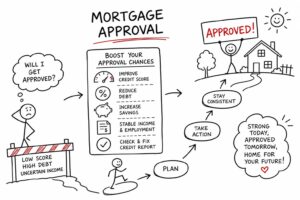

Investment property mortgage rates in Florida don’t follow a simple formula. Various factors like loan type, property use, and your financial profile shape the rate you get. Understanding these details helps you spot opportunities to lower costs and protect your investment returns. Let’s break down what drives these rates and how you can secure the best terms with a clear plan tailored to your goals.
Understanding Mortgage Rates

Mortgage rates might seem like a mystery, but understanding them is crucial for smart investing. Let’s explore what influences these rates and how you can make informed decisions.
Factors Driving Rates
Did you know your credit score can impact your mortgage rate? Lenders see this number as your trustworthiness in repaying a loan. A higher score often means a lower rate. Then there’s the loan-to-value ratio. This compares your loan amount to the property value. A lower ratio can attract better rates. Lastly, keep an eye on the market trends. Economic conditions and federal policies can sway rates up or down. Being aware of these elements puts you in the driver’s seat.
Florida Investment Property Loans
Florida offers unique opportunities for investors. With its strong tourism industry, properties often turn into lucrative rentals. But what about the loan types? The conventional investment loan is a popular choice. It requires a decent credit score and a 20% down payment. Meanwhile, DSCR loans in Florida evaluate the property’s income potential rather than your personal income. This is beneficial if you’re focusing on rental income. Understanding these options not only helps you choose the right loan but also maximizes your returns.
Comparing Loan Options
Choosing the right loan can save you thousands. But how do loans differ? Think about interest rates. A fixed-rate loan means your payment stays the same. This can offer stability. On the other hand, an adjustable-rate loan might start lower but can increase over time. Consider your investment goals. Are you planning to hold the property long-term or sell it soon? Your timeline can influence which loan suits you best. Remember, picking the right option can significantly impact your financial future.
Strategies to Secure Best Terms

Now that you’re familiar with the basics, let’s dive deeper into strategies for securing the best terms. These techniques can lead to better rates and lower payments.
Points vs Lender Credits
Points and lender credits might sound confusing, but they’re worth understanding. Points involve paying upfront to reduce your interest rate. This can be smart if you plan to hold the property for a long time. Conversely, lender credits increase your rate slightly in exchange for lower closing costs. This is useful if you’re short on cash initially. Deciding between the two depends on your immediate cash flow and long-term plans.
Buying Down Rate Techniques
Lowering your rate can save you money over time. One way to do this is through buying down the rate. This involves paying extra upfront to reduce your interest rate. Imagine saving thousands over the years just by investing a bit more at the start. It’s crucial to calculate the break-even point. This tells you how long it will take to recoup the upfront cost. If you plan to keep the property for several years, buying down the rate can be a wise move.
Cash Out Refinance for Investors
Need funds for another project? Consider a cash-out refinance. This allows you to tap into your property’s equity, providing cash for other investments. It can be a game-changer if used wisely. However, it increases your loan balance, so ensure your new investment yields higher returns. This strategy not only provides liquidity but also grows your portfolio faster. Keeping an eye on market conditions and timing your refinance correctly can amplify your investment gains.
Smart Moves for Investors

Armed with strategies, you can make savvy financial moves. Let’s look at how specific approaches can enhance your investment journey.
Short Term Rental Financing
Short-term rentals can be profitable, especially in tourist-heavy Florida. But how do you finance them? Airbnb loans in Florida cater to this niche, offering tailored solutions for those looking to capitalize on short-term stays. These loans often focus on the property’s income potential, making them distinct from traditional loans. By choosing the right financing, you can maximize your rental income and enjoy higher returns.
Second Home vs Investment Property
Understanding the difference between a second home and an investment property is crucial. A second home is typically used for personal vacations, and financing often requires a lower down payment. In contrast, an investment property is purchased to generate income, often requiring a higher down payment. Knowing which category your purchase falls into can affect your financing terms, tax implications, and overall investment strategy. Choosing the right category can lead to significant savings and benefits.
Debt Service Coverage Ratio Tips
The Debt Service Coverage Ratio (DSCR) is vital for investment properties. It measures the property’s income against its debt obligations. A higher DSCR indicates a property can cover its debts comfortably, making it attractive to lenders. To enhance your DSCR, consider increasing rental income or reducing expenses. A strong DSCR can lead to better financing options, ensuring your investment remains profitable. By focusing on this ratio, you can optimize your property’s financial health and attract favorable loan terms.
In conclusion, understanding the intricacies of investment property mortgage rates in Florida empowers you to make strategic decisions. By leveraging the right loans, implementing cost-saving techniques, and aligning with your investment goals, you can maximize returns and build a robust real estate portfolio.