
Choosing the right loan can feel like navigating a maze, especially if this is your first time buying a home in 2026. You might wonder how to compare FHA vs. Conventional loans, or whether VA loan benefits or USDA loan options in Florida fit your situation. This guide breaks down what you need to know, from the 2026 mortgage rate outlook to down payment assistance in Florida, so you can move forward with confidence and clarity.
Understanding Loan Options
Choosing the right loan is the first step in your homebuying journey. Let’s explore some of the most popular options available to you as a first-time homebuyer.
FHA vs Conventional Loans
When choosing between FHA and conventional loans, it helps to focus on your needs and financial situation. FHA loans are great if your credit isn’t perfect, and they require as little as a 3.5% down payment. They tend to have more relaxed credit score requirements, making homeownership accessible. On the contrary, conventional loans might be the best fit if you have a stronger credit profile. They often offer better rates and can eliminate mortgage insurance once you reach 20% equity. Many first-time buyers choose FHA financing to get started, as it offers a path to ownership with a lower upfront cost. Consider what matters most to you: lower initial costs or long-term savings.
VA Loan Benefits Explained
VA loans are a fantastic option for eligible veterans and active-duty service members. One of the biggest perks is that you can buy a home with no down payment, which is a huge help if you’re trying to save cash. Plus, VA loans don’t require private mortgage insurance, which can save you money each month. This type of loan also offers competitive interest rates, making it easier on your budget. The VA loan program is designed to support those who have served, giving them an edge on their journey to homeownership. If you qualify, this could be your best avenue to owning a home with minimal upfront costs.
USDA Loan Florida Essentials
USDA loans are an excellent choice if you’re looking to settle in rural areas of Florida. These loans allow you to purchase a home with no down payment, provided you meet certain income requirements. They cater to those who want to live in less populated areas, offering a chance to own property without the stress of saving a large down payment. USDA loans also have competitive interest rates. Check whether your desired location is in a USDA-eligible area, and you could be on your way to affordable homeownership. This option is perfect for those who appreciate quieter, nature-filled surroundings and are open to exploring rural life.
Preparing for Your Mortgage

Before you dive into the mortgage process, it’s important to get your financial ducks in a row. This lays the foundation for a smooth experience and a better chance of approval.
Credit Score for Mortgage Success
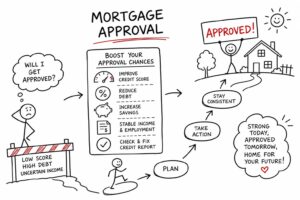
Your credit score plays a crucial role in determining your mortgage options. A higher score can open doors to better rates and terms. If you’re not sure where your credit stands, check it early in the process. If your score needs a boost, consider paying down debts and making timely payments on all accounts. Even small improvements can lead to better loan terms. Remember, lenders see your score as a reflection of your reliability. Taking steps now to improve it can pay off when it’s time to talk numbers with your lender.
Debt-to-Income Ratio Insights
Your debt-to-income ratio (DTI) is another key factor in getting approved for a mortgage. It’s the percentage of your monthly income that goes toward paying debts. Lenders use this number to gauge how much additional debt you can handle. A lower ratio suggests you manage your finances well, making you a safer bet. Aim to keep your DTI below 43%, though lower is even better. Reducing your debt not only improves your DTI but also your overall financial health. Keep an eye on this number as you prepare to apply for a mortgage.
Pre-Approval Checklist Essentials
Getting pre-approved for a mortgage gives you a clear picture of what you can afford, making it a crucial step. To get started, gather documents like your W-2s, tax returns, and recent pay stubs. Lenders will also want to see bank statements and information about your debts. Having these ready speeds up the process and shows sellers you’re serious. Pre-approval isn’t just about paperwork; it’s about knowing your budget and strengthening your negotiating power. With this step completed, you’ll feel more confident as you start your home search.
Navigating Closing and Costs

As you approach the finish line of buying a home, understanding the closing process and costs is essential. These final steps can impact your finances and your overall satisfaction with the homebuying experience.
Closing Costs Florida Breakdown
Closing costs are fees paid when finalizing your mortgage, and in Florida, they typically range from 2% to 5% of the home’s purchase price. These costs can include title insurance, lender fees, and appraisal fees. Knowing these expenses upfront helps you budget more accurately. Ask your lender for a detailed breakdown, so you’re not caught off guard. Planning for these costs is crucial as they can add up quickly. By understanding each fee, you’ll be better prepared when it’s time to close the deal.
Seller Concessions Explained
Seller concessions are credits the seller offers to help cover your closing costs, making your financial load lighter. This can be a great negotiation tool, especially if the seller is keen to close the sale. You might negotiate for them to cover certain costs or repairs. Keep in mind that limits vary by loan type. Discuss these options with your real estate agent to see if they can be part of your offer. It’s a smart way to manage expenses and keep more cash in your pocket at closing.
Mortgage Points and Buydowns
Mortgage points can be purchased to lower your interest rate, saving you money over the life of your loan. Each point typically costs 1% of your loan amount and can reduce your rate by around 0.25%. It’s a trade-off: pay more upfront to save later. Consider how long you plan to stay in your home and your current cash flow when making your decision. A temporary buydown, on the other hand, can lower your rate for the first few years, easing your initial payments. Both strategies need careful consideration to determine if they’re right for your financial situation.
With this guide, you’re equipped to navigate the homebuying process in 2026 with confidence. Each section has given you tools to understand your options and make informed decisions. Now, it’s up to you to take the first step toward homeownership.