
Most first-time homebuyer guides in Florida stop at the basics and leave you guessing. You need clear numbers, real steps, and Florida-specific tips that actually fit your life. This post breaks down exactly how to know if you’re ready to buy a home in 2026. Plus, you’ll see how the Gen First Mortgage Method turns confusion into a confident plan tailored just for you.
Learn more about the Gen-First Mortgage Method. 🚀
Financial Readiness Checklist
Making the leap to homeownership in Florida requires more than just a dream. You’ll need a financial foundation that supports your goals. Here’s how to check your financial readiness.
Assess Your Savings Goals
Start by setting a clear savings target. This includes your down payment and any emergency fund you might need. Ideally, your down payment should be at least 3% of the home’s price, but aiming for 20% can help you avoid private mortgage insurance. Also, consider setting aside 3 to 6 months of living expenses in savings. This cushion ensures you can handle unforeseen expenses without derailing your finances. Make sure to review your monthly budget to see how much you can comfortably save each month. By knowing your numbers, you can create a realistic timeline for reaching your homeownership goals.
Evaluate Your Debt to Income Ratio
Understanding your debt-to-income ratio is crucial when applying for a mortgage. Lenders typically prefer this ratio to be 43% or lower. To calculate yours, add up all your monthly debt payments and divide by your gross monthly income. If your ratio is higher than desired, consider paying down some debts or increasing your income. This step is vital because it affects your mortgage approval and the interest rates you’ll qualify for. Being proactive can save you money in the long run and position you as a more attractive borrower.
Understanding Closing Costs in Florida
Closing costs in Florida typically range from 2% to 5% of the home’s purchase price. These fees cover services like appraisals, inspections, and title insurance. Knowing these costs upfront helps you budget accordingly. It’s important to inquire about any potential discounts or assistance, especially if you’re a first-time buyer. Understanding these costs means fewer surprises when you’re ready to close. By planning ahead, you can ensure your financial plan covers these expenses without strain.
Preparing Your Financial Plan

With a clear picture of your financial readiness, it’s time to prepare your financial plan. This involves securing mortgage pre-approval, exploring down payment assistance, and crafting a credit score strategy.
Mortgage Pre-Approval Essentials
Mortgage pre-approval gives you a clear understanding of how much you can borrow. It shows sellers you’re serious and can afford the home. To get pre-approved, you’ll need to provide income verification, credit history, and asset information. This process helps you identify any areas needing improvement. It also gives you an edge in competitive markets, as sellers often prefer pre-approved buyers. Knowing your borrowing limit upfront makes house hunting more focused and efficient.
Down Payment Assistance Florida
Florida offers various down payment assistance programs to help first-time buyers. These programs can provide grants or low-interest loans to cover your down payment. Research statewide options, such as the Florida Housing Finance Corporation, which offers the Homebuyer Program for eligible residents. Local programs might also be available through city or county governments. Exploring these options can significantly reduce your upfront costs and make homeownership more accessible. Take the time to investigate these resources, and you’ll be better equipped to afford your dream home.
Crafting a Credit Score Strategy
A strong credit score is key to securing favorable mortgage rates. Aim for a score of 620 or higher for conventional loans, though higher scores can yield better rates. Check your credit report for errors and pay off outstanding debts to boost your score. Consistently paying bills on time also strengthens your credit profile. By focusing on these strategies, you’ll enhance your creditworthiness and potentially save thousands over the life of your mortgage. Remember, a healthy credit score is an asset in your home buying journey.
Employing the Gen First Method

The Gen-First Method is designed to simplify your home buying experience. It focuses on tailored loans, long-term wealth planning, and Florida-specific relocation guidance.
Tailored Loan Options
The Gen First Method ensures your loan fits your life, not the other way around. It considers your unique financial situation, goals, and potential future changes. This approach prevents you from overextending and keeps your long-term financial health in mind. By customizing your loan, you gain peace of mind knowing it’s the right fit for you. Discuss your options with a mortgage specialist who understands your needs and can guide you through the process.
Long-Term Wealth Planning
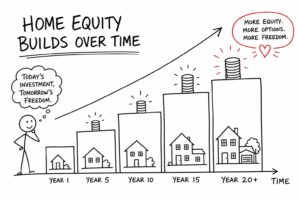
Homeownership isn’t just about buying property; it’s about building wealth. The Gen First Method helps you focus on how your home can contribute to your financial future. Explore options like refinancing, using home equity, or investing in additional properties. By planning with foresight, you can make informed decisions that boost your financial stability. Remember, your home is a valuable asset that can work for you long after the purchase.
Florida Relocation Guide
Relocating to Florida comes with unique challenges and opportunities. The Gen First Method provides insights into the local market, lifestyle, and potential costs. Understanding these factors helps you make an informed decision about where to live. Consider factors such as school districts, commute times, and community amenities. Being well-informed about your new environment ensures a smoother transition and a more enjoyable living experience.
Frequently Asked Questions
What is a good credit score for a mortgage?
A credit score of 620 or higher is generally considered good for conventional loans. However, higher scores can help you secure better interest rates, saving you money over the life of the loan.
How much should I save for a down payment?
Aim for at least 3% of the home’s price, but 20% is ideal to avoid private mortgage insurance. Your savings goal should also include an emergency fund for unexpected expenses.
What are closing costs in Florida?
Closing costs in Florida typically range from 2% to 5% of the home’s purchase price. These fees cover services such as appraisals, inspections, and title insurance.
How do I calculate my debt-to-income ratio?
Add up all your monthly debt payments and divide by your gross monthly income. Lenders prefer a debt-to-income ratio of 43% or lower for mortgage approval.
What is the Gen-First Method?
The Gen-First Method is a personalized approach to home buying that focuses on tailored loan options, long-term wealth planning, and Florida-specific relocation guidance.