
Buying your first home in Florida is more than a dream; it’s a big financial step that needs a clear plan. Knowing whether you’re financially ready to buy a home can save you from surprises and help you move confidently toward pre-approval. This post breaks down the exact checklist you need to gauge affordability, manage your money, and understand what comes next with the Gen First Mortgage Method. Let’s get you ready to make smart, stress-free moves in today’s market.
Assessing Financial Readiness
Feeling ready to buy a home starts with understanding your financial situation. Let’s explore the steps to see whether you’re prepared for this major investment.
Understanding Income and Savings
To buy a home, you first need to know where you stand financially. Start by calculating your total income. Include all sources like your salary, side gigs, or any other earnings. Next, review your savings. How much have you set aside? Ideally, you should have enough to cover a down payment and other costs. Saving consistently over time can help you reach your goal faster.
Think about your current lifestyle. Are there areas where you can cut back to save more? Every little bit counts. A clear picture of your income and savings lays the foundation for buying a home. It helps in planning effectively.
Evaluating Debt-to-Income Ratio
Your debt-to-income ratio is a key factor lenders consider. This number shows how much of your income goes toward debt payments. Calculate it by adding up your monthly debt payments and dividing by your gross monthly income. A lower ratio indicates you manage your debts well, which appeals to lenders.
If your ratio is too high, try paying down debts before applying for a mortgage. This will improve your financial standing and potentially get you better loan terms. Remember, keeping debts low helps not only with mortgage approval but also with maintaining financial health.
Establishing an Emergency Fund
An emergency fund is crucial when planning to buy a home. It acts as a financial cushion for unexpected expenses. Aim to save three to six months’ worth of living expenses. This fund ensures you can handle emergencies without dipping into savings meant for your home.
Starting small is okay. Set aside a small amount each month until you reach your goal. This fund not only offers peace of mind but also strengthens your financial readiness. You’ll feel more secure knowing you’re prepared for the unexpected.
Preparing for Homeownership Costs
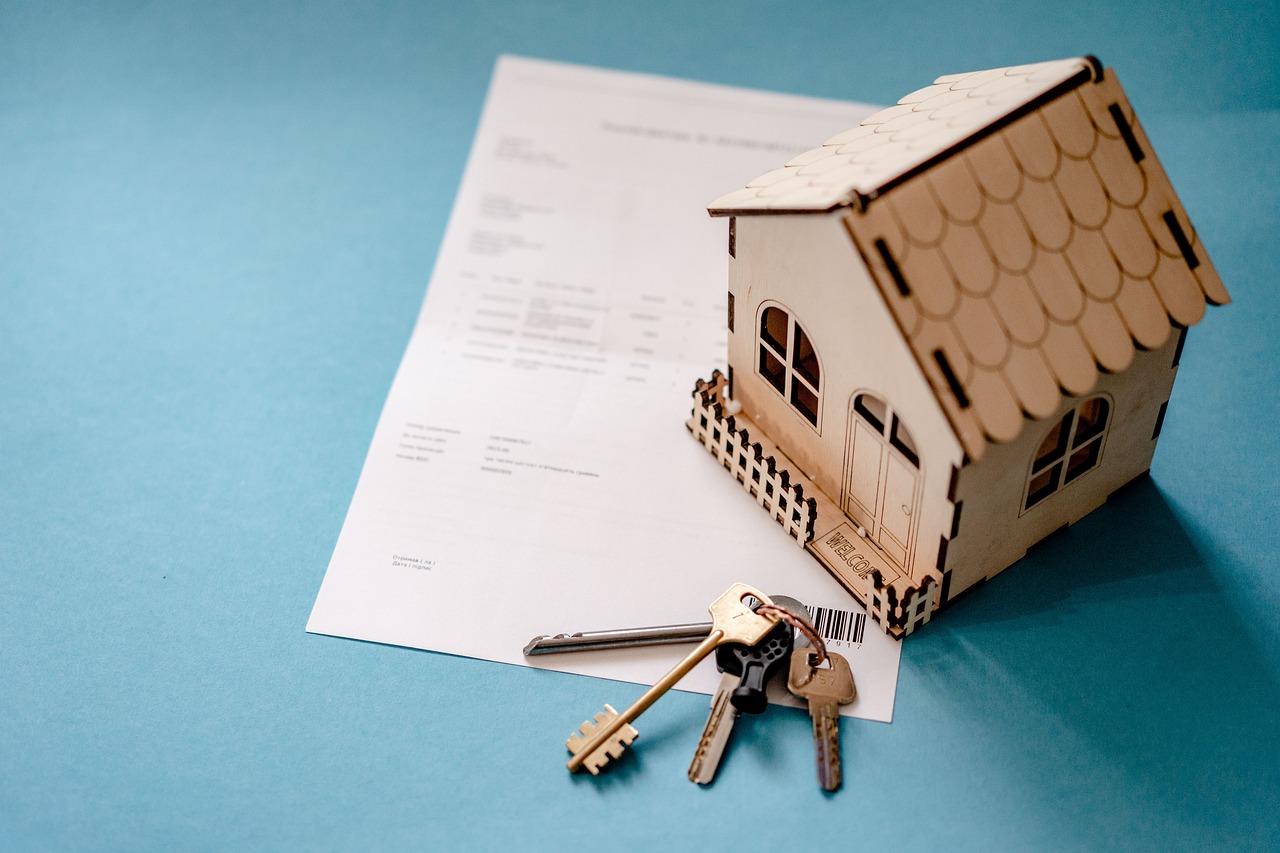
You’re ready to take the plunge into homeownership. Let’s break down the costs you’ll encounter and how to prepare.
Budgeting for Down Payment Options
Saving for a down payment is a major step. In Florida, down payment requirements can vary. Typically, you might need anywhere from 3% to 20% of the home’s purchase price. Research programs that offer assistance, especially if you’re a first-time buyer.
Setting a monthly savings goal can make a big difference. Consider options like automatic transfers to your savings account. This approach makes saving more manageable and consistent. With a clear goal, you can reach your down payment target sooner.
Understanding Closing Costs in Florida
Closing costs are another essential expense to prepare for. These include fees for appraisals, inspections, and title searches, among others. They can range from 2% to 5% of the purchase price. Budget for these expenses early.
Understanding these costs helps you avoid surprises. Discuss with your lender what to expect. This way, you can plan your finances better and ensure a smoother closing process. Being prepared makes the transition to homeownership less stressful.
Rent vs Buy: Making the Decision
Choosing between renting and buying is a major decision. Consider your long-term plans. Are you ready to settle in one place for a while? Buying a home can be more beneficial if you plan to stay put.
Calculate the costs of homeownership versus renting. Sometimes, owning can be more cost-effective in the long run. But remember, buying a home also means taking on maintenance and repair responsibilities. Weigh the pros and cons to make an informed choice.
Navigating the Pre-Approval Process

Understanding the pre-approval process is key to securing your dream home. Here’s what you need to know and why it matters.
Importance of Credit Score for a Mortgage
Your credit score plays a significant role in mortgage approval. A higher score can get you better interest rates and terms. Check your score early and improve it if needed. Pay your bills on time and reduce outstanding debts to boost your score.
Lenders view your credit score as a measure of your reliability. The better the score, the more options you’ll have. It’s essential for getting pre-approved, so give it the attention it deserves.
Self-Employed Mortgage Considerations
If you’re self-employed, securing a mortgage comes with unique challenges. Lenders will need proof of income stability. Be prepared to provide tax returns and other financial documents from the past two years.
Keep detailed records of your earnings and expenses. This documentation helps prove your ability to repay the loan. With the right preparation, being self-employed doesn’t have to be a barrier to buying a home.
Using a Home Affordability Calculator
A home affordability calculator is a valuable tool. It helps you determine how much house you can afford based on your income, debts, and down payment. Use it early in your home-buying journey to set realistic expectations.
This calculator can guide your search and help you focus on homes within your budget. It’s a practical step that aligns your financial situation with your homeownership goals. Knowing your limits helps prevent financial strain and supports a successful home purchase.
Frequently Asked Questions
What is a good debt-to-income ratio for buying a house?
Lenders generally prefer a debt-to-income ratio of 36% or lower. This shows you manage your debts well and can handle a mortgage payment.
How much should I save for an emergency fund before buying a home?
Aim to save three to six months’ worth of living expenses. This fund acts as a safety net for unexpected costs.
What are typical closing costs in Florida?
Closing costs in Florida usually range from 2% to 5% of the home’s purchase price. They cover various fees like appraisals and inspections.
How does being self-employed affect getting a mortgage?
Self-employed individuals need to show stable income, typically through tax returns from the past two years. Keeping detailed financial records is crucial.
Is renting or buying more cost-effective in Florida?
It depends on your long-term plans and financial situation. Buying can be more beneficial if you plan to stay in one place for several years.