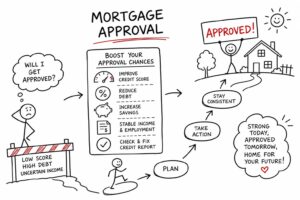

Choosing a loan program as a first-generation homebuyer can feel like navigating a maze with no map. You might be juggling questions about FHA vs conventional loans, down payment assistance in Florida, or how your credit score really impacts your options. This guide breaks down what matters most so you can compare programs clearly, know your mortgage pre-approval checklist, and build a plan that fits your goals and finances with confidence.
Understanding Your Loan Options

When buying your first home, understanding different loan options is crucial. It allows you to choose with confidence and set a solid foundation for homeownership. Let’s explore some of these options.
FHA vs Conventional Loans
Choosing between FHA and conventional loans is a big decision. FHA loans often appeal to first-time homebuyers due to their lower credit score requirements and smaller down payments. They are backed by the government, which can make approval easier. Conventional loans, on the other hand, might be better if you have a higher credit score. They often offer more competitive interest rates and do not require mortgage insurance if you put down 20 percent or more. Which one suits you best depends on your financial situation and long-term goals.
Specialty Programs for First-Time Buyers
There are unique programs tailored for first-time buyers that can make home buying more accessible. Some states offer assistance with down payments, while others provide tax credits. These programs can help reduce upfront costs, making your dream of owning a home more achievable. Research local options in Florida to find programs that fit your needs. They can provide significant financial relief, especially if you’re just starting.
Self-Employed Mortgage in Florida
Being self-employed shouldn’t keep you from getting a home loan. Mortgage options are available for self-employed individuals who take their unique income structure into account. These loans typically require more documentation to prove income stability. So, gather your tax returns, bank statements, and any other financial records before applying. This preparation can make the process smoother and increase your chances of approval.
Key Factors in Loan Selection

Understanding the key factors in loan selection helps you make informed decisions. Here, we’ll delve into the essentials to consider when picking a loan.
Importance of Credit Score for Mortgage
Your credit score is pivotal in securing a mortgage. Higher scores can lead to better loan terms and lower interest rates. If your score isn’t where you want it to be, aim to improve it before applying. Pay bills on time and reduce debt whenever possible. This effort can save you thousands over the life of your loan. Remember, lenders use your score to gauge your reliability, so maintain a good one.
Debt-to-Income Ratio Basics
The debt-to-income (DTI) ratio is another critical factor. It compares your monthly debt payments to your income. Lenders use DTI to ensure you can afford your mortgage along with existing debts. A lower DTI indicates better financial health and increases the chances of approval. Ideally, aim for a DTI below 36 percent. If yours is higher, consider paying down some debts to improve your standing.
Interest Rate vs APR Explained
Understanding interest rates versus the annual percentage rate (APR) is essential. The interest rate is simply the cost of borrowing money. APR, however, includes fees and other costs associated with the loan. Comparing APRs can give a more accurate picture of what you’re paying over time. Look beyond the interest rate and consider the APR when evaluating loan offers.
Preparing for Your Loan Application

Preparation is key to a smooth loan application process. Let’s look at steps to ensure you’re ready for your mortgage journey.
Mortgage Pre Approval Checklist
Getting pre-approved is a vital step. It shows sellers you’re serious and financially prepared. Start by gathering key documents like tax returns, income statements, and credit reports. Knowing what you can afford helps narrow your home search. Have all paperwork ready to streamline your pre-approval process. This preparation not only saves time but also strengthens your buying position.
Navigating Closing Costs in Florida
Closing costs can be a surprise if you’re not prepared. They typically include fees for appraisal, title insurance, and more. In Florida, these can range from 2 to 5 percent of the home’s purchase price. Understanding these costs helps you budget accurately. Ask your lender for a detailed breakdown early in the process. This foresight can prevent financial stress at closing.
Exploring Down Payment Assistance Florida 🌟
In Florida, down payment assistance programs can ease the financial burden. They offer grants or low-interest loans to help with the initial payment. Research available options to see if you qualify. These programs can significantly reduce your out-of-pocket expenses. Taking advantage of them might be the key to getting into your new home sooner.