
Choosing the right loan program can feel like decoding a secret language, especially if you’re a first-time homebuyer. Florida trusts for honest guidance. With 2026 mortgage rate forecasts changing and options like FHA vs. conventional loans on the table, knowing what fits your life and goals makes all the difference. Let’s clear the confusion and set you up with a plan that feels right, so you move forward with confidence and control.
Book a free planning call to get your personalized Gen First Mortgage Method plan or start your pre-approval today.
Understanding Mortgage Options
When considering a mortgage, understanding your options is key. This section will clarify different mortgage programs and compare standard loan types, so you feel confident moving forward.
Best Mortgage Programs 2026
Which mortgage programs will make the most sense for you in 2026? With fluctuating mortgage rates, knowing the right programs ensures you make a choice that aligns with your financial goals. Some popular options include fixed-rate mortgages, offering consistent payments, and adjustable-rate mortgages, which can start with lower initial rates. Explore various programs available to find one that matches your needs and circumstances.
If you’re unsure where to start, think about your financial situation and future plans. A fixed-rate mortgage can offer stability if you plan to stay in your home for years. On the other hand, an adjustable-rate mortgage might be suitable if you expect to move or refinance sooner.
FHA vs Conventional Loans
FHA and conventional loans each have their benefits, making them popular choices for first-time homebuyers. FHA loans are often more accessible, requiring a lower down payment and a lower credit score. They can be ideal for those just starting out. Conventional loans, however, might be a better option if you have a stronger credit profile and can manage a larger down payment.
Consider your financial health and long-term plans when deciding between these options. FHA loans may offer flexibility, but conventional loans can save money if you meet the criteria. Always review both options to understand how they align with your financial situation and goals.
Self-Employed Mortgage Florida
Securing a mortgage when self-employed in Florida can seem challenging, but it’s entirely possible with the right preparation. Lenders typically require more documentation to verify your income. This often includes tax returns, profit and loss statements, and other business records.
Even if the process takes more steps, remember that preparation is a powerful tool. By organizing your financial documents and understanding what lenders need, you can navigate this process smoothly. A detailed understanding of your finances can help you secure a mortgage that works for you.
Preparing for Your Mortgage

Once you’ve explored mortgage options, it’s time to prepare for your application. This section covers the essentials for a smooth, successful process.
Pre-Approval Checklist Essentials
The pre-approval stage sets the foundation for your home-buying journey. It shows you’re serious and helps you understand your purchasing power. Essential documents include proof of income, bank statements, and credit history.
Having these documents ready can make the process faster and less stressful. It also gives you an edge when negotiating, showing sellers you have the financial backing to close the deal.
Credit Score for Mortgage Tips
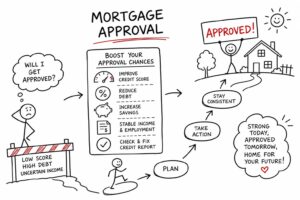
Your credit score plays a crucial role in determining mortgage terms. A higher score can mean better rates and terms. Check your credit report regularly and address any inaccuracies. Focus on paying bills on time and reducing outstanding debts.
Improving your credit score takes time, but the benefits are significant. With a better score, you can qualify for a lower interest rate, saving you money over the life of the loan.
DTI Ratio Explained Simply
Your Debt-to-Income (DTI) ratio is a key factor lenders consider. It measures your total monthly debt payments compared to your income. A lower DTI ratio indicates financial health, making you a more attractive borrower.
Understanding and managing your DTI ratio can significantly impact your mortgage approval. Aim for a DTI ratio below 43% to improve your chances of approval and access to better loan terms.
Navigating Costs and Assistance

Understanding the costs involved in buying a home helps you plan effectively. This section will guide you through down payment assistance, closing costs, and savings plans.
Down Payment Assistance Florida 2026
Florida offers various programs to help with down payments, especially for first-time buyers. These programs can reduce the financial burden of purchasing a home, making ownership more accessible.
Research available assistance programs early in your home-buying journey. Knowing what’s available can help you plan your finances better and make homeownership a reality sooner.
Closing Costs Florida Breakdown
Closing costs in Florida typically range from 2% to 5% of the home’s purchase price. They include fees for appraisal, title insurance, and home inspection. Understanding these costs can help you budget for your home purchase.
By knowing what to expect, you can avoid surprises at the closing table. Plan for these costs alongside your down payment to ensure a smooth transaction.
First Home Savings Plan Guide
Creating a savings plan is crucial for first-time homebuyers. Start by setting clear goals and a budget. Consider opening a dedicated savings account to gradually build your fund.
By consistently saving, you can accumulate enough for a down payment and cover other related expenses. A good savings plan provides a financial cushion, reducing stress throughout the buying process.
Frequently Asked Questions
What is the best mortgage program for first-time homebuyers in 2026?
The best program depends on your financial situation and goals. Fixed-rate mortgages offer stability, while FHA loans provide easier access with lower down payments.
How do FHA and conventional loans differ?
FHA loans often have lower credit score requirements and down payments. Conventional loans may require higher credit scores, but can offer more flexibility without insurance premiums.
What documents do I need for mortgage pre-approval?
For pre-approval, gather proof of income, bank statements, and your credit report to show lenders your financial health.
How can I improve my credit score for a mortgage?
To improve your credit score, pay bills on time, reduce debt, and regularly check your credit report for errors.
What are typical closing costs in Florida?
Closing costs in Florida generally range from 2% to 5% of the home’s price, covering appraisals, insurance, and inspection fees. It’s important to budget for these costs early in your home-buying process.