
Most people think calculating a mortgage payment means just plugging numbers into a calculator. In Florida, missing key costs like property taxes, homeowners insurance, and HOA fees can throw your budget off. Using a mortgage payment calculator the right way helps you see the full picture and plan your next steps with confidence. Let’s break down how the Gen First Mortgage Method guides you through every number, so you know exactly what to expect.
For those considering Investment Property Down Payments, understanding how these costs integrate into your overall budget is crucial. Additionally, exploring resources like the Mortgage Calculator 101 can help turn your numbers into a clear home budget. For a broader financial strategy, the Auto Loan Calculator Guide offers insights into smarter mortgage planning.
Find more insights and connect with Isabelle Mortgages for personalized guidance on your mortgage journey by visiting Isabelle Mortgages. 🌟
Understanding Your Florida Mortgage Payment
When it comes to planning your home purchase, getting the numbers right is key. Let’s dive into what makes up a mortgage payment in Florida and how you can calculate everything accurately.
Key Inputs for Mortgage Calculators
Start by understanding the basic inputs: loan amount, interest rate, and loan term. These are the numbers you’ll plug into your mortgage calculator. But that’s just the beginning. You also need to consider property taxes, homeowners insurance, and any HOA or condo fees. These can add up quickly in Florida, so it’s crucial to include them in your calculations.
Many people forget these extra costs, which can lead to budget surprises later. By entering all relevant numbers into a mortgage payment calculator, you get a more accurate monthly payment estimate. This way, you can proceed with confidence, knowing you have covered all bases.
Adding Taxes and Insurance to PITI
Property taxes and homeowners insurance are part of the PITI (Principal, Interest, Taxes, and Insurance) formula. In Florida, property taxes can vary, so check the local rates for the area where you plan to buy. Adding these costs to your principal and interest gives you a clearer picture of your total monthly payment.
Don’t overlook homeowners insurance, especially with Florida’s unique weather conditions. Choose a plan that balances coverage and cost. Including these expenses in your initial calculations helps you avoid surprises down the road.
Avoid Common Calculation Mistakes
One mistake many people make is not accounting for changes in taxes or insurance over time. These costs may increase, affecting your overall budget. Another common error is ignoring potential PMI (Private Mortgage Insurance) if your down payment is less than 20%. By considering these factors, you can avoid underestimating your payment.
Using a comprehensive calculator tool helps prevent these errors. It ensures you include every necessary detail, so you’re not caught off guard later. Always double-check your inputs for accuracy.
Factors Affecting Mortgage Payments

Understanding the elements of your mortgage payment is just the start. Let’s explore other factors that can influence how much you’ll pay each month.
Impact of Down Payment and Credit Score
Your down payment size directly affects your loan amount and monthly payments. A larger down payment reduces your loan amount, potentially lowering your monthly payment. If you’re saving for an investment property down payment, this can also be a strategic move.
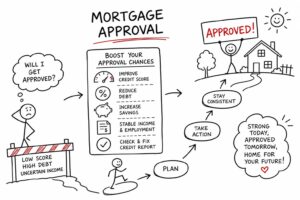
Credit scores play a significant role in determining your interest rate. A higher score can lead to better rates and lower payments. It’s worth checking your credit score before applying for a loan and taking steps to improve it if needed.
Differences in Loan Types (FHA, VA, Conventional)
Different loan types come with their unique advantages. FHA loans are common for first-time buyers with smaller down payments. VA loans provide benefits for veterans, often without requiring PMI. Conventional loans typically need higher credit scores but offer more flexibility.
Understanding these options helps you choose the best fit for your situation. Each loan type impacts your monthly payments differently.
How Closing Costs and PMI Factor In
Closing costs are an often-overlooked expense that can surprise buyers at the last minute. These can include appraisal fees, title insurance, and other charges. It’s wise to budget for these from the start. PMI is another potential expense if your down payment is less than 20%. It adds to your costs but can be avoided with a higher down payment.
Knowing these factors helps you plan your finances better, ensuring no surprises at closing.
Next Steps with the Gen First Method

Now that you know how to calculate your mortgage payments more accurately, it’s time to take the next steps towards securing your home.
Locking in Your Personalized Plan
The Gen First Method offers a clear path to homeownership. It starts with understanding your numbers and options. This personalized approach ensures you get a plan that fits your financial situation and goals. By locking in this plan, you gain peace of mind and clarity.
Scheduling Your Free Strategy Call
Set up a strategy call to discuss your plans and get professional advice. This conversation will address your specific needs and help refine your plan. A strategic call puts you on the right path from the start.
Preparing for Preapproval in Florida 🌞
Before house hunting, getting preapproved is crucial. It shows sellers you’re serious and ready to buy. Preapproval also clarifies how much you can afford, keeping your search focused and efficient.
Frequently Asked Questions
What is included in a mortgage payment?
A mortgage payment typically includes principal, interest, taxes, and insurance (PITI). It may also include HOA fees if applicable.
How do property taxes affect my mortgage payment in Florida?
Property taxes in Florida vary by location and can significantly impact your monthly payment. It’s essential to research these rates and include them in your calculations.
What is PMI and when is it required?
Private Mortgage Insurance (PMI) is required if your down payment is less than 20% of the home’s value. It protects the lender in case of default.
How does my credit score affect my mortgage rate?
A higher credit score can lead to lower interest rates, reducing your monthly payments. It’s beneficial to improve your credit before applying for a loan.
Why is getting preapproved important?
Preapproval shows sellers you’re a serious buyer and helps clarify your budget, making your home search more efficient.