
Most first-time buyers underestimate the true cost of homeownership and get stuck guessing “how much house can I afford.” Without a detailed homebuying budget, you risk overextending your finances or missing out on your dream home. This guide breaks down every cost you need to consider in Florida, from down payment to closing costs, so you can write confident offers and protect your cash flow.
Understanding Your Homebuying Budget
Crafting a homebuying budget is your first step toward owning a home in Florida. It sets the stage for all your financial decisions, ensuring you know exactly what you can afford.
Key Budgeting Components
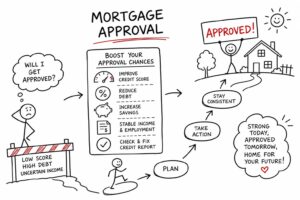
When creating your budget, focus on the essential components. Start with your monthly income and list all your expenses. Don’t forget costs like groceries and utilities. Then, calculate your ideal monthly mortgage payment. A general rule is to keep this below 30% of your income. Next, consider your credit score. A higher score could mean lower interest rates. Finally, think about your down payment and how much you can save.
Most people overlook small details that add up. Remember to include expenses like property taxes in Florida and homeowners’ insurance in Florida in your calculations. These factors are crucial for a realistic view of how much house you can afford.
Estimating Closing Costs in Florida
Closing costs are the fees you pay when finalizing your home purchase. In Florida, these usually range from 2% to 5% of the home’s purchase price. They include expenses like title insurance, appraisal fees, and loan origination fees. These costs can surprise many buyers. Knowing them early helps you avoid unpleasant surprises.
Research shows that understanding these costs can significantly reduce stress. Ask your lender for a detailed estimate so you can budget accurately. This knowledge empowers you to negotiate better terms on your mortgage.
Calculating Cash to Close
Cash to close includes your down payment and closing costs. It’s the total amount you’ll need to finalize your home purchase. First, determine your down payment, typically 3% to 20% of the home price. Next, add your estimated closing costs. Make sure you have these funds accessible before making an offer.
Having a clear picture of your cash-to-close gives you confidence. It ensures you won’t face last-minute financial hurdles. This step is vital for a smooth homebuying process.
Strategies for Down Payment and Assistance

Once your budget is clear, the next step is planning your down payment. This can be challenging, but several strategies and resources are available to help you.
Exploring Down Payment Assistance in Florida
Florida offers programs to help first-time homebuyers with their down payment. These programs can provide grants or low-interest loans. Start by researching options like the Florida Housing Finance Corporation. They offer valuable resources for those who qualify.
Finding assistance can significantly reduce your upfront costs. It’s worth spending time exploring these opportunities. Assistance programs can bridge the gap between your savings and the required down payment.
Understanding Earnest Money and Escrow
Earnest money shows the seller you’re serious about buying. Typically, it’s 1% to 2% of the home’s price. This money goes into an escrow account until closing. If the deal falls through, you might get it back, depending on the contract terms.
Knowing how earnest money works protects your investment. It’s a vital part of negotiations, giving you leverage and showing your commitment to the purchase.
Balancing Debt-to-Income Ratio
Your debt-to-income ratio is a key factor lenders consider. It’s the percentage of your income that goes toward debt payments. Aim for a ratio below 43%. Calculate this by dividing your monthly debt payments by your income.
Maintaining a healthy ratio improves your mortgage pre-approval chances. It also helps you manage your monthly cash flow more effectively, ensuring you don’t overextend financially.
Preparing for Homeownership Expenses
Budgeting for homeownership involves more than just the purchase price. Anticipate ongoing expenses to avoid financial strain later.
Navigating Property Taxes in Florida
Property taxes are a high annual cost. In Florida, rates vary by county, so check your local rates. Typically, they range from 0.8% to 2% of the property’s value. Including these in your budget prevents future financial surprises.
Understanding local tax rates helps you plan better. Knowing what to expect allows you to budget accurately and avoid unexpected costs.
Homeowners Insurance Florida Insights
Homeowners insurance is mandatory when you have a mortgage. It protects your investment against risks like damage or theft. Costs vary based on location, home value, and coverage level. On average, expect to pay around $1,000 to $2,000 annually in Florida.
Shopping around for insurance can save money. Comparing policies ensures you get the best coverage at a reasonable price.
Managing HOA Fees and Maintenance
If your home is in a community with a Homeowners Association (HOA), you’ll pay monthly fees. These cover community maintenance and amenities. Fees range from $200 to $500 per month, depending on the services offered.
Additionally, set aside funds for home maintenance. Experts suggest budgeting 1% to 3% of the home’s value annually. These costs keep your home in good condition and preserve its value.
Frequently Asked Questions
What is the average closing cost in Florida?
The average closing cost in Florida is between 2% and 5% of the home’s purchase price. This includes fees for services like title insurance and appraisals.
How can I improve my debt-to-income ratio?
Reduce existing debts and increase your income to improve your ratio. Paying off credit card balances and avoiding new debt also helps.
What assistance programs are available for Florida first-time homebuyers?
Programs like the Florida Housing Finance Corporation offer down payment assistance and other resources for eligible buyers. Check their website for detailed information.
Why is homeowners’ insurance required?
Lenders require homeowners’ insurance to protect their investment in your home. It covers potential risks like natural disasters or theft.
How do property taxes affect my homebuying budget?
Property taxes are a recurring expense based on your home’s value and local rates. Including them in your budget helps you plan for ongoing costs.