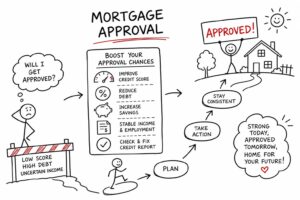

Most mortgage calculators only show a rough estimate, leaving you guessing about your real monthly payment. You need more than just a number—you need clarity on what drives that payment, from taxes to insurance and HOA fees. This simple mortgage calculator guide breaks it down step by step so you can see your true costs and plan confidently using the Gen First Mortgage Method. Your path to smart home buying starts here.
To make sure you’re fully prepared for all aspects of home buying, explore how investment property down payments in Florida can fit into your strategy. For a deeper dive into turning your calculations into a solid plan, check out the Mortgage Calculator 101 for crafting a clear home budget. Also, consider using an auto loan calculator as a tool for smarter mortgage planning.
Explore more about smart mortgage strategies. 😊
Using a Simple Mortgage Calculator
Understanding Key Inputs
To start, you need to know the essential inputs for any simple mortgage calculator. These are the building blocks of your mortgage estimate.
First, consider the loan amount. This is the total sum borrowed from the lender. Next, the interest rate is crucial, as it affects how much you’ll pay over time. Then, decide on the loan term, typically 15 or 30 years. Don’t forget property taxes, which vary by location, and homeowners insurance, protecting your investment.
Estimating Your Monthly Payment
Now that you know the inputs, let’s see how they add up to your monthly payment. The Florida mortgage calculator incorporates principal, interest, taxes, and insurance.
Start with the principal and interest, calculated based on your loan amount, interest rate, and term. Add property taxes—an expense based on your home’s value. Include homeowners insurance, essential for protecting your property. Lastly, if applicable, add PMI (private mortgage insurance), usually required for down payments below 20%.
Testing Different Scenarios
Testing scenarios helps you understand different payment outcomes. Begin by adjusting the interest rate—this tweaks your monthly total.
Try changing the loan term to see how it affects the payment. A shorter term means higher payments but less interest over time. Experiment with increasing your down payment—more upfront can reduce or eliminate PMI. Finally, factor in HOA fees if your property has homeowners association dues.
Planning Your Next Steps

Setting a Confident Price Range
Using your estimates, you can set a clear price range. This ensures you shop within budget, avoiding future stress.
Consider your income and how much you can comfortably allocate to housing each month. Use a home affordability calculator to see what fits your budget. A clearer range prevents over-committing and helps you find homes that suit your financial picture.
Checking Your Debt to Income Ratio
Your debt to income ratio (DTI) is pivotal in mortgage approval. It compares your total monthly debt to your gross monthly income.
Calculate your DTI by adding your proposed housing costs to other monthly debts. Divide this by your income to find the ratio. A lower DTI shows lenders you manage debt well, improving your approval chances.
Preparing for Closing Costs
Closing costs include various fees linked to finalizing your mortgage. These can add up, so planning is key.
Expect costs like appraisal, title, and origination fees. Set aside funds for these, typically 2-5% of your loan amount. Knowing these costs ahead saves stress, ensuring you’re prepared to close smoothly.
The Gen First Mortgage Method

Customizing Your Mortgage Plan
With the Gen First Mortgage Method, you tailor your mortgage to your needs. This personalized approach simplifies the process.
Begin with clear goals: do you want low monthly payments or to pay off your loan quickly? Align your plan with these goals, choosing the right loan term and down payment options. This method ensures your mortgage fits your lifestyle and financial objectives.
Making Informed Decisions with Confidence
Confidence comes from understanding your options. The Gen First Mortgage Method empowers you by clarifying each step.
You’ll know what each choice means for your finances. Whether it’s choosing between an FHA loan Florida or conventional loan Florida, you’ll have the information to decide wisely. This clarity transforms stress into confidence, making home buying a positive experience.
Booking Your Free Payment Clarity Call
For a deeper dive into your mortgage options, book your free payment clarity call. This personal session helps you understand your choices fully.
In the call, you’ll explore personalized strategies that fit your financial goals. It’s an opportunity to ask questions and receive expert advice tailored to you. The guidance provided sets you on the path to smart, informed homeownership.
Frequently Asked Questions
What is a mortgage payment calculator?
A mortgage payment calculator helps estimate your monthly mortgage payment. It uses inputs like loan amount, interest rate, and term to calculate principal and interest portions. It often includes taxes, insurance, and PMI for a comprehensive estimate.
How can I lower my monthly mortgage payment?
Lower your payment by adjusting factors like loan term, interest rate, or down payment. A longer term or larger down payment can decrease monthly costs. Refinancing to a lower rate also helps reduce payments.
Why is the debt to income ratio important?
The debt to income ratio is a key factor in mortgage approval. It shows lenders how well you manage existing debt. A lower ratio indicates financial stability, increasing your chances of loan approval.
What are typical closing costs?
Closing costs include various fees, such as appraisal, title, and origination charges. They usually range from 2-5% of your loan amount. Understanding these costs helps you prepare financially for closing.
How does the Gen First Mortgage Method help me?
The Gen First Mortgage Method personalizes your mortgage plan. It focuses on your financial goals, providing clarity and confidence in decision-making. This approach makes home buying less stressful and more informed.