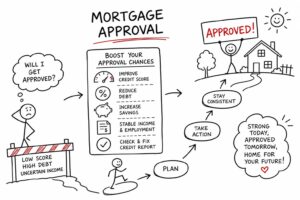
Buying your first home in Florida is more than just a dream; it’s a major financial step with costs that can catch you off guard. Knowing your homeownership costs upfront helps you plan smarter and avoid surprises that slow you down. In this guide, you’ll get clear insight into closing costs Florida buyers face, plus tips on down payment assistance Florida programs and smart mortgage strategies that fit your life.
Understanding Homeownership Costs
Welcome to your home buying journey! Here, you’ll discover what expenses await and how to prepare for them. Knowing these costs will help you plan confidently and avoid surprises.
Overview of Initial Expenses
The first step involves several upfront costs. You’ll need cash for the down payment, which is often a percentage of the home’s price. Don’t forget about earnest money, a deposit showing you’re serious. Then, there’s the appraisal fee, which ensures the home’s value matches the price. Each step requires careful planning, but it also brings you closer to owning your dream home.
Beyond the basics, remember inspection fees. These ensure the property meets safety standards. If issues arise, you can negotiate repairs or a price reduction. This is a vital step to avoid future headaches. Also, consider the cost of the home inspection and survey fees to confirm the property’s boundaries. These expenses might seem daunting, but they set the stage for a sound investment.
Breakdown of Closing Costs in Florida
As you approach the closing day, you’ll encounter a variety of costs. These include lender fees, title insurance, and recording fees. Typically, closing costs in Florida range from 2% to 5% of the home’s purchase price. Budgeting for these expenses early is crucial. Knowing what to expect ensures a smooth transition from hopeful buyer to proud homeowner.
Title insurance protects against potential claims on your property’s title. This one-time fee is vital for securing ownership. Additionally, lender fees cover the cost of processing your loan. Finally, don’t overlook recording fees, which are necessary for legal documentation. Each: Understanding Homeownership Costs
When buying a home, understanding the costs involved is key to planning effectively. Let’s break down the initial expenses so you know what to expect from the start.
Overview of Initial Expenses
The first financial step is your down payment. This upfront cash shows your commitment to the purchase. You’ll also encounter several fees, like the application fee and appraisal fee, which ensure your home’s value aligns with the loan amount. Remember, these initial costs are crucial to budget for, so you’re not caught off guard.
Breakdown of Closing Costs in Florida
Closing costs in Florida typically range from 2% to 5% of the home’s purchase price. These include title insurance, lender fees, and recording fees. Get a clear estimate of these costs early so you can prepare your finances accordingly. Ask your lender for a detailed breakdown.
Navigating Down Payment Assistance
For many first-time buyers, assistance programs can help with down payments. Florida offers various programs to aid with this cost. Research available options to find one that suits your financial situation. These programs can make home buying more accessible by reducing the upfront cash needed.
Managing Ongoing Expenses
Understanding ongoing expenses ensures you stay financially comfortable in your new home. From taxes to insurance, let’s explore these recurring costs.
Monitoring Property Taxes in Florida
Property taxes are a significant ongoing expense. In Florida, these are based on the property’s assessed value. Check local tax rates to estimate this cost. Knowing your annual property tax can help you plan your monthly budget effectively.
Homeowners Insurance Essentials
Homeowners insurance is a must for protecting your investment. It covers damage from events like fires or storms. Make sure your policy fits your needs by reviewing coverage limits and exclusions. Having the right insurance provides peace of mind and financial protection.
Budgeting for HOA Fees
If your new home is part of a community, HOA fees may apply. These fees cover shared amenities and maintenance. Understand what your fees include and how often you pay them. Planning for these costs prevents unexpected financial strain.
Strategic Mortgage Planning
Strategic mortgage planning can save money and reduce stress. Let’s examine some strategies to consider.
Importance of Escrow Accounts
An escrow account simplifies paying taxes and insurance. Your lender manages this account, ensuring these costs are paid on time. This setup helps prevent large, unexpected payments and keeps your finances organized.
Exploring Interest Rate Buydowns
Interest rate buydowns are an option to lower your mortgage rate initially. This involves paying more upfront for a reduced rate later. Consider if this strategy aligns with your long-term financial goals before proceeding.
Steps to Mortgage Pre-Approval
Mortgage pre-approval is your buying power. It tells you how much you can borrow and shows sellers you’re serious. Start by gathering financial documents like pay stubs and tax returns. This process streamlines your home search and keeps you focused on homes within your budget.
Frequently Asked Questions
What are the typical closing costs when buying a home in Florida?
Closing costs in Florida usually range from 2% to 5% of the home’s price, covering fees like title insurance and lender fees.
How can I get assistance with my down payment in Florida?
Florida offers various down payment assistance programs to help reduce upfront costs. Research options that fit your financial situation.
What ongoing costs should I expect as a homeowner?
Expect to pay property taxes, homeowners insurance, and possibly HOA fees. These recurring costs help keep your home well maintained and protected.
Why is a mortgage pre-approval important?
Pre-approval shows your borrowing power and seriousness as a buyer. It helps focus your search on affordable homes within your budget.
What is an escrow account, and why do I need one?
An escrow account manages property tax and insurance payments, preventing large, unexpected bills and ensuring timely payments.