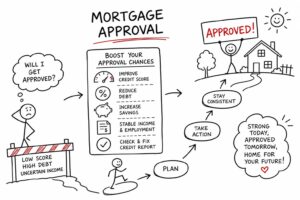

Most first-time homebuyers start house hunting without a clear mortgage plan, only to face surprises that could have been avoided. You can reduce stress and gain real confidence by building your mortgage plan 2026 before you shop. This step-by-step guide will show you how to get pre-approval, understand your mortgage credit score, and create a smart offer strategy tailored to your life and goals.
Crafting Your Mortgage Plan
Understanding Your Budget and Credit
Knowing how much you can afford is the first step to building a strong mortgage plan for 2026. Start by reviewing your monthly income and expenses. This will help you determine a comfortable monthly mortgage payment. Remember, your total mortgage payment plus other monthly debts should not exceed 50% of your income. This keeps your finances balanced and ensures that you can manage your mortgage without stress.
Your credit score plays a crucial role in determining your mortgage eligibility. A higher score can qualify you for better interest rates. Obtain a free credit report to check your score and identify any issues that need fixing. Paying off outstanding debts and correcting errors can improve your score, making home ownership more feasible.
Exploring Down Payment Options
A key part of your mortgage plan involves preparing for a down payment. While 20% is a common goal, it’s not always necessary. Many programs offer lower down payment options. For instance, FHA loans require as little as 3.5% down, making them attractive to first-time homebuyers. Additionally, consider down payment assistance programs available in Florida. These programs can provide financial support, easing the path to home ownership.
If family or friends are willing to help, gift funds can also be used toward your down payment. Just ensure you have the proper documentation to verify these funds. Each option comes with its own benefits and conditions, so explore what suits your situation best.
Navigating Mortgage Programs
Understanding different mortgage programs can help you choose the one that best fits your needs. Conventional loans are popular, but FHA loans offer a lower barrier to entry for those with lower credit scores or smaller down payments. If you are self-employed, specific programs cater to your unique financial situation, making it easier to qualify for a mortgage.
Additionally, exploring options for first-generation homebuyers or specific community programs can provide added benefits. Each program has its own requirements and advantages. Research thoroughly to find one that aligns with your financial goals and circumstances.
The Pre-Approval Process

Steps to Get Pre-Approved
Getting pre-approved is essential for a smooth home-buying process. Begin by gathering your financial documents, including pay stubs, tax returns, and bank statements. These documents provide lenders with a complete picture of your financial health. Once submitted, lenders can determine your loan eligibility and provide you with a pre-approval letter.
This letter is crucial when making offers, as it shows sellers you are serious and financially capable. With pre-approval, you know your price range, helping you focus only on homes within your budget.
Program Fit and Document Checklist
Choosing the right mortgage program requires understanding what documents you’ll need. Commonly requested items include proof of income, employment history, and credit reports. Having these ready ensures a faster pre-approval process. Check with your lender for a complete list to avoid any last-minute surprises.
Knowing what each program offers and requires will help you select the best one. Some programs might offer lower rates, while others may provide more flexible terms for self-employed individuals. Evaluate these options carefully.
Mortgage Rate Strategies
Securing a favorable mortgage rate can save you thousands over the life of your loan. Compare different rates available in the market. Consider a mortgage rate buydown, where you pay an upfront fee to reduce your interest rate. This can be beneficial if you plan to stay in the home long-term.
Keep an eye on market trends, as rates can fluctuate. Locking in a rate at the right time can make a significant difference in your monthly payments and overall cost of your home loan.
Smart Offer Tactics

Understanding Closing Costs in Florida
When buying a home in Florida, it’s important to account for closing costs. These fees can include title insurance, appraisal fees, and escrow costs. Typically, closing costs range from 2% to 5% of the home’s purchase price. Understanding these costs helps you prepare financially and avoid surprises at closing.
Ask your lender for a detailed estimate of these costs. This breakdown will help you plan your finances and ensure you have enough funds to cover all expenses associated with your home purchase.
FHA vs Conventional Loan Insights
Choosing between an FHA and a conventional loan can affect your buying power. FHA loans are more lenient with credit scores and down payment requirements. However, they also have mortgage insurance premiums that can increase overall costs. Conventional loans might require a higher credit score, but can offer more flexibility in interest rates and loan terms.
Evaluate your financial situation to see which loan type aligns with your goals. Consider factors like credit score, down payment capacity, and long-term financial plans when making your decision.
House Hacking and Investment Strategies
House hacking is a smart strategy that involves renting out part of your home to cover mortgage payments. This can be an effective way to manage housing costs and build wealth. Look for properties with separate living areas or consider a duplex as your first home.
Investment properties can also generate rental income. If you’re considering this option, explore investment property loan opportunities tailored for potential landlords. Understanding these strategies and how they fit into your financial plan can open doors to additional income streams.
Frequently Asked Questions
What is the best credit score for a mortgage in 2026?
A credit score of 700 or above is ideal for securing favorable mortgage rates. Scores between 620 and 699 can still qualify, but may come with higher rates. Improving your score can enhance your eligibility.
How much do I need for a down payment in Florida?
While 20% is standard, programs like FHA offer options as low as 3.5%. Down payment assistance is also available. Evaluate different programs to find the one that best fits your financial situation.
How can I reduce my closing costs?
Comparing lender offers can help reduce closing costs. Negotiating with sellers to cover part of these fees or choosing a no-closing-cost mortgage option may also be beneficial. Understanding these strategies can lead to savings.
Is it better to get an FHA or a Conventional loan?
FHA loans are suitable for those with lower credit scores or smaller down payments. Conventional loans may offer better rates and terms for those with higher credit scores. Assess your financial situation to decide which is best.
What is house hacking?
House hacking involves renting part of your home to offset mortgage costs. This strategy can significantly reduce living expenses and help build wealth over time. Consider properties with separate units for optimal results.