
Navigating your first Florida mortgage can feel like decoding a secret language. As a first-generation homebuyer, you face loan options that seem endless: FHA loan, conventional loan, VA loan, USDA loan. Choosing the right mortgage plan is about more than rates—it’s about fitting the loan to your life and goals. In this guide, you’ll learn how to compare loans, understand your credit score for a mortgage, and use tools like the mortgage calculator Florida to move forward with confidence.
Book your free Gen First Strategy Call with Isabelle.
Understanding Mortgage Types
Starting your journey to pick a mortgage plan means knowing the different types available. This knowledge helps you choose a plan that suits your life.
Fixed vs. Adjustable Rate Mortgages
Fixed-rate mortgages offer stability. Your payment stays the same every month. This is great if you plan to stay in your home long term. You won’t worry about rising rates affecting your payment. In contrast, adjustable-rate mortgages have an interest rate that can change. They might start lower than fixed rates, but they can increase later. This is useful if you plan to sell or refinance before the rate adjusts.
For instance, if you plan to move in five years, an adjustable-rate mortgage might save you money initially. On the other hand, if you want to stay settled, a fixed-rate plan provides peace of mind. Understanding these options helps you decide which best fits your future plans.
FHA, Conventional, VA, and USDA Loans
Different loans offer unique benefits. FHA loans are popular with first-time homebuyers. They require a lower down payment and are more forgiving of lower credit scores. Conventional loans typically require a higher credit score and a larger down payment but can offer better rates. VA loans are exclusive to veterans and their families and often require no down payment. Lastly, USDA loans cater to rural homebuyers with no down payment and focus on specific locations.
Choosing the right loan depends on your situation. For example, if you are a veteran, a VA loan could be your best option. If your credit score isn’t high yet, an FHA loan might work better. Understanding your options helps you find a mortgage that fits your needs.
Preparing for Mortgage Preapproval

Once you understand the loan types, getting preapproved is the next step. It shows sellers you’re serious and know how much you can borrow.
Credit Score and Debt-to-Income Ratio
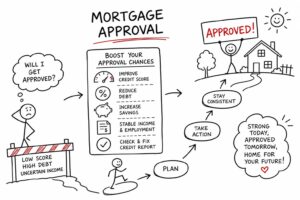
Your credit score is key in mortgage preapproval. A higher score often means better loan terms. To boost your score, pay bills on time and reduce debt. Your debt-to-income ratio is the amount of your income that goes toward paying debts. Lenders prefer a lower ratio. Aim to keep your monthly debts within 50% of your income.
Improving your credit score and managing debts can make a big difference. By focusing on these areas, you can get preapproved for a mortgage that suits your budget and goals, making your home-buying journey smoother.
Down Payment Assistance and Gift Funds
Saving for a down payment can be tough. Luckily, Florida offers down payment assistance programs that can help. These programs offer grants or loans to qualified buyers. You may also receive gift funds from family members to help with the down payment.
Knowing your options for assistance can lessen the financial burden of buying your home. By exploring these resources, you can find support that fits your situation and move closer to securing your dream home.
Navigating Closing Costs in Florida

Understanding closing costs is crucial. These costs can add up, so knowing what to expect helps you budget properly.
Understanding Closing Costs and Seller Concessions
Closing costs typically include fees like appraisal, processing, and title insurance. They usually range from 2% to 5% of the home price. In some cases, sellers might offer seller concessions, covering part of the closing costs to help you out.
Familiarizing yourself with these costs and negotiating terms with the seller can save you money. Knowing what’s involved helps you plan better and avoid surprises at closing time.
Using a Mortgage Calculator for Planning 🏡✨🌴
A mortgage calculator is a handy planning tool. It estimates your monthly payments based on loan amount, interest rate, and term. Use it to see how different loans and down payments affect your budget.
In Florida, where taxes and insurance vary, a calculator helps you understand the full cost of homeownership. By using this tool, you can align your mortgage with your financial goals and enjoy a comfortable, confident home-buying experience.
Frequently Asked Questions
What is the difference between fixed and adjustable-rate mortgages?
Fixed-rate mortgages have the same interest rate for the entire term, providing payment stability. Adjustable-rate mortgages have a rate that can change, usually starting lower but potentially increasing over time.
How does my credit score affect my mortgage options?
A higher credit score can qualify you for better interest rates and terms. Improving your credit before applying can save you money over the life of your mortgage.
What are the benefits of FHA loans for first-time homebuyers?
FHA loans offer lower down payment requirements and are more forgiving of lower credit scores. They’re a popular choice for first-time buyers with limited savings.
How can I get help with down payment costs?
Look into down payment assistance programs in Florida, which offer grants or loans, and consider using gift funds from family members to help with the down payment.
What should I expect for closing costs in Florida?
Closing costs typically range from 2% to 5% of the home price and include fees like appraisal and title insurance. Understanding these costs helps you budget properly for your home purchase.