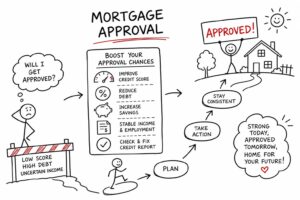

Most mortgage plans focus only on securing a home. But what if your monthly payments drained your cash flow, leaving little room for life’s surprises? You need a mortgage strategy that protects cash flow while fitting your real-world budget. Using the Gen First Mortgage Method, you’ll learn how to design a plan that safeguards your money and keeps your goals on track.
Building Your Mortgage Plan
Creating a mortgage plan isn’t just about getting the keys to a new home. It’s about making sure that homeownership doesn’t strain your finances. Let’s dive into the key components of building a mortgage plan that fits your life.
Understanding Payment Guardrails
Your monthly mortgage payment should be a number you can comfortably handle. To do this, think of payment guardrails as the limits that keep your financial vehicle on track. These guardrails help ensure you never exceed what you can afford each month. By keeping your mortgage payment plus other monthly debts within 50% of your income, you maintain financial stability. This ratio, known as the debt-to-income ratio, is crucial for keeping your finances in check. Remember, staying within these limits not only protects your wallet but also gives you peace of mind.
Choosing Between Loan Types
Selecting the right loan type is like picking the right tool for a job. Each has its pros and cons, so understanding them is key. Conventional loans are popular, but FHA loans may suit those with lower credit scores. VA loans offer benefits for veterans, while adjustable-rate mortgages can fit those planning to move in a few years. Each option affects your monthly payments differently. Take time to research and choose the one that aligns with your long-term goals and current financial situation.
Exploring Rate Options
Interest rates are a big part of your mortgage puzzle. Fixed-rate mortgages offer stable payments, while adjustable-rate mortgages might start lower but can increase over time. To get the best deal, consider a rate buydown, which lets you pay upfront to lower your rate. It’s important to understand how these options impact your cash flow and long-term financial plan. Don’t rush this decision; your future self will thank you.
Protecting Your Cash Flow

After building your mortgage plan, the next step is ensuring your financial well-being remains intact. This involves smart budgeting and strategic use of available resources.
Setting Budget Baselines
A budget baseline sets the starting point for your financial journey. It includes all your monthly expenses and helps you see where your money goes. Start by listing your essential expenses: housing, utilities, groceries, and transportation. Then, add non-essentials like dining out or entertainment. This clarity helps you understand where you can adjust if needed. Remember, a solid budget baseline is your best friend in protecting cash flow.
Leveraging Seller and Lender Credits
Did you know you can reduce your closing costs through seller and lender credits? These credits can significantly reduce the amount you need to pay upfront. Sellers might offer credits as part of negotiations, while lenders could provide them to secure your business. These credits help ease the burden, leaving more cash in your pocket. Explore all your options to make the most of these opportunities.
Establishing Cash Reserves
Having cash reserves is like having a safety net. It’s there to catch you when unexpected expenses arise. Aim to set aside three to six months’ worth of expenses. This reserve isn’t just for emergencies; it also adds confidence to your financial strategy. Knowing you have a backup plan allows you to focus on your goals without fear.
The Gen-First Mortgage Method

The Gen-First Mortgage Method offers a personalized approach to home financing that perfectly aligns with your unique financial situation.
Crafting a Personalized Strategy
Your mortgage should fit your life, not the other way around. By crafting a personalized strategy, you align your financing with your goals. This means taking into account your income, expenses, and future plans. A tailored strategy doesn’t just help you get approved; it ensures that your mortgage enhances your life, not complicates it.
Planning Your Timeline
Timing is everything in real estate. Planning your timeline involves setting realistic milestones for each step of the homebuying process. From preapproval to closing, having a clear timeline keeps you organized and reduces stress. This planning helps you anticipate each step, ensuring you stay on track and avoid unnecessary delays.
Preparing for Preapproval
Preapproval is your ticket to a smooth homebuying journey. It shows sellers you’re serious and helps you understand your buying power. Gather your financial documents: pay stubs, tax returns, and bank statements. Being prepared speeds up the process and gives you a clear picture of what you can afford. With preapproval, you enter the market with confidence and a competitive edge.
Frequently Asked Questions
What is the debt-to-income ratio, and why is it important?
The debt-to-income ratio (DTI) measures how much of your income goes toward debt payments. Lenders use this percentage to assess your ability to manage monthly payments and repay your debts. Keeping a DTI below 50% is crucial to maintaining financial stability.
How does a rate buydown work?
A rate buydown involves paying an upfront fee to secure a lower interest rate on your mortgage. This can reduce your monthly payments and the overall interest you pay. It’s beneficial if you plan to stay in your home long-term.
What are seller credits, and how do they benefit buyers?
Seller credits are concessions offered by the seller to reduce the buyer’s closing costs. These can cover expenses like inspections or repairs, allowing buyers to save cash for other needs.
Why are cash reserves important in a mortgage plan?
Cash reserves provide a financial cushion for unexpected expenses, protecting your cash flow. They ensure you can cover emergencies without disrupting your mortgage payments or other financial obligations.
What documents do I need for preapproval?
For preapproval, you’ll need pay stubs, tax returns, bank statements, and other financial documents. These help lenders verify your income and determine your loan eligibility. Being organized speeds up the process and strengthens your application.