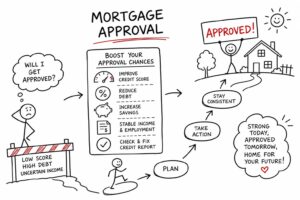

Most mortgage plans focus on the loan amount, not what fits comfortably in your monthly budget. That approach can squeeze your breathing room, leaving you stressed about unexpected costs like Florida home insurance or property taxes. With the Gen First Mortgage Method, you’ll build a mortgage strategy that protects your monthly payment and keeps your cash flow steady so you feel confident every month, not overwhelmed.
Book a free Gen First Strategy Session to map your safe payment range, compare options, and get a custom plan. You can also download the Breathing Room Budget Worksheet today.
Building Your Mortgage Strategy
Building a mortgage strategy is about more than just numbers. It’s about creating a plan that fits your life and keeps your finances steady.
Define Your Comfort Band
Start by knowing what you can comfortably afford each month. Think of it as your comfort band. Begin with your monthly income. Subtract your regular expenses like groceries, utilities, and entertainment. What’s left is what you could safely commit to a mortgage. This comfort band is not just a number. It’s peace of mind. It keeps you from becoming house-poor, where your home costs drain your wallet.
Most people think they should stretch financially to get the best home, but comfort matters more. Use the 28/36 rule: your housing costs should be no more than 28% of your income, and total debts should not exceed 36%. This ensures you’re living within your means.
Estimate Total Monthly Costs
Understanding your true monthly costs is key. Don’t just think about the loan payment. Include property taxes, insurance, and any homeowner association fees. In Florida, home insurance can be significant. Use local averages or get a quote to include in your calculations. This gives a clearer picture of your obligations.
Remember, a small oversight here can lead to big surprises later. Our goal is to avoid that by being thorough upfront. A good way to ensure accuracy is to ask your lender for an estimate. They can provide a breakdown of expected expenses based on your chosen property and loan type.
Choose the Right Loan Type
The type of loan you select can impact your long-term financial health. Consider if a fixed-rate or adjustable-rate mortgage (ARM) fits your needs. A 30-year fixed offers stability; your payment remains the same over the loan term. An ARM might start with lower payments but can increase later. It might suit you if you plan to move or refinance before rates adjust.
Think beyond the interest rate. Consider how long you’ll be in the home and your future financial plans. Discuss options with a mortgage advisor to match a loan type to your lifestyle and goals. This choice affects your budget and future flexibility.
Smart Use of Financial Tools

Leveraging financial tools can make a big difference in your mortgage experience. Let’s explore some strategies.
Points vs Credits Explained
Understanding points and credits can save you money. Points are fees you pay upfront to lower your interest rate. One point equals 1% of your loan amount. If you plan to stay in your home long term, paying points might save you money over the loan’s life.
On the other hand, credits can reduce closing costs. These might raise your interest rate slightly, but they lower initial expenses. It’s a balancing act. Calculate how long it takes to recoup points cost versus immediate savings from credits. Choose what’s best based on your timeline and financial situation.
Leverage Seller Credits
Seller credits are a smart way to reduce out-of-pocket costs. In a competitive market, it feels like sellers hold all the cards. But you can negotiate for them to cover some closing costs. This decreases your upfront expenses without affecting your monthly mortgage.
For many first-time buyers, every dollar counts. Seller credits can help cover home inspections, attorney fees, or even prepaid taxes. This makes your home purchase more affordable. It’s a strategy that can give you breathing room right from the start.
PMI Strategies and Timelines
Private Mortgage Insurance (PMI) is necessary if your down payment is below 20%. However, it doesn’t have to last forever. Plan to eliminate PMI once your home equity reaches 20%. This typically happens through regular payments and home appreciation.
Keep an eye on your loan balance and property value. Once you hit that equity mark, contact your lender to remove PMI. This reduces your monthly payment, freeing up cash for other goals. It’s a reminder not just to get the loan, but to manage it wisely over time.
Planning for a Secure Future

Look beyond the immediate and plan for future stability. Here’s how to set yourself up for success.
Cash Reserves and Emergency Fund
Cash reserves protect against unexpected expenses. Aim for three to six months’ worth of expenses saved. This isn’t just about peace of mind. It’s about financial security.
An emergency fund ensures you won’t miss mortgage payments if something unexpected happens. It’s a financial safety net that keeps your mortgage strategy intact, even when life throws curveballs. Building this fund should be a priority alongside your mortgage payments.
Florida Home Insurance Tips
Florida’s unique climate means home insurance can be significant. Start by understanding your policy’s coverage. Check for hurricane or flood insurance if you’re in a high-risk area. These add costs, but they’re essential for protection.
Shop around for quotes. Insurance costs can vary widely between providers. Choosing the right policy can save you money and ensure you’re adequately covered. This proactive step keeps your property and finances safe from unforeseen events.
Understanding Temporary Buydown Options
Temporary buydown options are worth considering if you expect your income to rise. They lower your interest rate for the first few years. This lowers your initial payments, giving you breathing room as you settle into homeownership.
Discuss this option with your lender. Temporary buydowns can significantly impact your monthly budget. They’re an excellent tool if you anticipate future financial growth, allowing you to ease into full payments gradually.
Frequently Asked Questions
What is a comfort band in mortgage planning?
A comfort band is the amount you can comfortably spend on a mortgage each month after accounting for all other expenses. It ensures you aren’t financially stretched, providing peace of mind.
How can seller credits help first-time homebuyers?
Seller credits can reduce the immediate costs associated with buying a home. They can cover closing costs, inspections, or prepaid expenses, making homeownership more affordable from the start.
When should I remove PMI from my mortgage?
Aim to remove PMI once your home equity reaches 20%. Regularly review your loan and property value to determine when you reach this milestone, and contact your lender to eliminate PMI and reduce monthly payments.