
Investment property financing in Florida can feel like a maze if you’re new to it. You might wonder how to compare conventional loans with DSCR or non QM options, especially if you’re self employed or ready to house hack. This guide breaks down what you really need to know—from down payments to pre approval—so you can start your investment with a clear plan using the Gen First Mortgage Method. Let’s get you ready to make smart moves on your first Florida rental.
Understanding Investment Property Financing

Let’s start by exploring the basics of how investment property financing works in Florida. This knowledge will set a solid foundation for making informed decisions.
Basics of Florida Investment Loans
Investment loans in Florida come with unique terms. When you’re new to this, understanding these terms can set you up for success. First, these loans often require higher down payments than traditional home loans. You might need to pay anywhere from 15% to 30% down. This is a crucial step to secure your property.
It’s important to know that interest rates can be higher for investment loans. The reason is simple: lenders see these as riskier than loans for primary residences. But don’t worry, there are ways to make these rates work for you. Use the numbers to calculate potential returns and cash flow. This will help in your decision-making process.
Another point to note is loan terms. You might encounter shorter loan terms for investment properties. This means you’ll pay off the loan faster, but your monthly payments might be higher. Understanding these basics equips you to choose the right loan, tailored to your investment goals.
Key Differences in Loan Types
Knowing the differences among loan types is key for investors. Let’s break it down simply. There are three main types: conventional loans, DSCR loans, and non-QM loans. Conventional loans are great if you have a strong credit score. They offer stability with fixed rates and longer terms.
DSCR loans focus more on the rental income of the property than on your personal income. This is beneficial if you’re investing in a property that generates strong rental income. It’s a great choice for those with fluctuating personal income.
Finally, non-QM loans provide flexibility for those who don’t fit the standard lending mold, like self-employed individuals. They evaluate your ability to repay based on a broader set of criteria. Understanding these differences helps you select a loan that aligns with your unique financial situation.
Importance of Mortgage Reserves
Mortgage reserves are essential in the investment world. They act as a safety net for you. Having reserves means you have funds set aside to cover mortgage payments in case of emergencies or vacancies. Lenders often require you to have three to six months’ worth of reserves.
Think of reserves as a financial cushion. They provide peace of mind and ensure you can meet your obligations even during tough times. Reserves also show lenders that you are a responsible borrower, increasing your chances of approval.
By maintaining a solid reserve, you not only protect yourself but also build confidence in your investment strategy. It’s a key part of being prepared and successful in real estate investing.
Exploring Loan Options

With the basics covered, let’s dive into specific loan options available to you as an investor in Florida. Each option offers unique benefits for different investor profiles.
Conventional Investment Loan Overview
If you have a strong credit history, a conventional investment loan might be your best option. These loans typically require a credit score of 680 or higher. They come with fixed interest rates, meaning your payments remain stable over time.
One advantage is the potential to lower your interest rate if you can make a larger down payment. This can significantly impact your overall return on investment. Plus, with this loan type, you can purchase multi-unit properties. This allows you to live in one unit and rent out the others, maximizing your investment potential.
Keep in mind, though, that meeting the credit requirement is crucial. It’s about showing lenders you’re a low risk. This loan is perfect for those wanting a straightforward, predictable payment plan.
DSCR Loan Florida Explained
DSCR loans are special in that they rely more on the property’s cash flow than your personal income. This makes them ideal if your property has strong rental income potential. The debt service coverage ratio is the key metric here. It compares the property’s income to its debt obligations.
A DSCR of 1.25 is generally considered good. This means your property earns 25% more than its debt payments. It’s a smart choice if you’re self-employed or have irregular income streams. This type of loan assesses the property’s ability to pay back the loan, making it flexible for investors.
Understanding DSCR loans allows you to leverage your property’s income potential. It’s a powerful tool if you’re looking to invest in properties with solid rental prospects.
Non QM Mortgage for Self Employed
For self-employed individuals, a non-QM mortgage can be a lifesaver. Traditional loans often require extensive income documentation, which can be challenging for the self-employed. Non-QM loans, however, offer more flexible criteria.
These loans might look at bank statements, asset documentation, or other forms of income proof. They provide a path to homeownership for those who don’t fit the traditional mold. By focusing on your financial health rather than just income, they open doors to investment opportunities.
Choosing a non-QM mortgage means you can focus on building your investment without the hassle of traditional income verification. It aligns with your unique income situation and investment goals.
Preparing for Success

Now that you understand your options, let’s focus on how to prepare for success. This includes getting pre-approval, managing cash flow, and using the Gen First Mortgage Method to guide your journey.
Steps for Pre Approval Florida
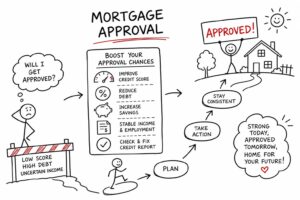
Getting pre-approved is a crucial step. Here’s how to do it. First, gather your financial documents. This includes tax returns, bank statements, and credit information. Lenders use these to assess your financial health.
Next, submit your application to a lender. This will give you a clear picture of what you can afford. It also strengthens your offer when you find the right property. Sellers are more likely to consider your offer if they know you’re pre-approved.
Finally, review your pre-approval with your mortgage advisor. They can help you understand loan options and choose the best one for your needs. This step equips you to shop confidently and make informed decisions.
Cash Flow Tips for Investors
Managing cash flow is vital for your investment success. Start by understanding all potential income and expenses. This includes rental income, property taxes, insurance, and maintenance costs. Knowing these numbers helps ensure positive cash flow.
Consider setting aside funds for unexpected repairs or vacancies. This protects your investment and provides peace of mind. Keeping a close eye on cash flow allows you to adjust strategies as needed to maintain profitability.
Remember, the goal is to have more income than expenses. This is key to a successful investment and long-term wealth building. With these tips, you’ll be better prepared to handle the financial aspects of your investment.
Gen First Mortgage Method Roadmap
The Gen First Mortgage Method offers a clear roadmap for your investment journey. It starts with understanding your goals and financial capacity. This guides your loan choice and property search.
Next, it involves creating a strategy for managing your investment. This could include plans for house hacking or expanding your portfolio. The method emphasizes education and empowerment, ensuring you feel confident every step of the way.
Finally, it focuses on building generational wealth. This means making smart decisions today that benefit your financial future. By following this roadmap, you’re not just buying a property, you’re creating a path to long-term success.
🌟 Ready to run the numbers on your first or next Florida rental? Reach out for your free Gen First Strategy Session. #GenFirstMethod #MortgageStrategy #FirstGenHomebuyer #SmartMoneyMoves #MortgageExpert #FinancialFreedomJourney #LegacyThroughRealEstate #MortgageTips #FinanceTips #MoneyMindset #WealthBuilder #RealEstateInvesting 🌟