
30-year fixed mortgage rates are shifting every day, but not all changes hit your wallet the same way. You might be wondering how lenders set these rates or how to lower your monthly payment without waiting forever. This guide breaks down what moves current mortgage rates Florida, the smart ways to use discount points and buydowns, and how the Gen First Mortgage Method crafts a plan that fits your income and goals perfectly. Your clear path to saving starts here.
Discover how you can enhance your financial journey by exploring investment property financing. For those considering the competitive landscape of mortgage rates, you may want to review Bank of America’s options versus your real choices in Florida. Additionally, learn how DSCR loans might help you qualify with rental income. For more personalized advice, visit Isabelle Mortgages and take the first step towards financial clarity today.
Understanding Mortgage Rates

Let’s dive into the world of mortgage rates and see what influences them. Understanding these factors will help you make better decisions.
How Rates Are Priced
Mortgage rates might seem like a mystery, but there’s a process behind them. Banks and lenders consider several elements before setting these rates. First, they look at the Federal Reserve’s decisions. While the Fed doesn’t directly set mortgage rates, its actions can influence them because lenders often base their rates on economic forecasts. Then, lenders factor in the cost of borrowing money, which depends on the bond market. When bond yields rise, so do mortgage rates. Finally, lenders add a margin to cover their costs and profit.
You might think shopping around won’t make a difference, but many find small rate differences can lead to big savings over time. So, it’s crucial to compare rates from different lenders.
Factors Moving Rates Daily
Rates can change daily due to various reasons. The economic news is one big factor. When the economy shows signs of improvement, rates often rise because investors expect inflation, which erodes bond values. Similarly, employment data can also impact rates. High employment rates suggest a strong economy, possibly leading to higher rates. On the flip side, global events can create uncertainty, leading investors to seek safer investments like bonds, which can lower rates.
Many assume rates are stable, but the reality is they fluctuate more than you might expect. Keeping an eye on these factors can give you an edge.
APR vs Interest Rate Explained
Many people confuse APR and the interest rate, but they’re different. The interest rate is what you pay annually to borrow the money, expressed as a percentage. Meanwhile, the APR includes the interest rate plus other costs like fees and points, giving you a fuller picture of what you’re paying.
Think of the APR as the total cost of borrowing. If you only focus on the interest rate, you might miss out on understanding the full cost of your loan. Knowing the difference helps you compare loan offers more accurately.
Lowering Your Mortgage Rate

Once you understand what moves rates, the next step is finding ways to lower them. Here are some strategies you can use.
Using Discount Points Effectively
Discount points can be a smart move if you plan to stay in your home for a long time. A point equals 1% of your loan amount and can lower your interest rate. For instance, if you’re taking a $200,000 loan, one point costs $2,000. This upfront cost can reduce your monthly payment and save you money over the loan’s life.
Most people overlook this option, thinking it’s an unnecessary expense. But if you can afford the initial cost, it could lead to substantial savings in the long run. Always calculate the break-even point to see if buying points makes sense for you.
Benefits of Temporary Buydowns
A temporary buydown allows you to pay a lower interest rate initially, which gradually increases to the original rate. This can be helpful if you expect your income to grow or if you’re selling another property and need a cash flow cushion.
It’s a common misconception that buydowns are only for those in financial trouble. In reality, they can be a strategic tool for managing cash flow, especially in the first few years of homeownership. Understanding your financial outlook can help you decide if this option is right for you.
Credit Score and Mortgage Rate Impact
Your credit score plays a crucial role in determining your mortgage rate. Lenders view credit scores as an indicator of risk; a higher score often leads to better rates. For example, someone with a 750 score might secure a rate significantly lower than someone with a 650 score.
Most people think a small score difference won’t matter, but even a few points can change your rate, affecting your monthly payment over time. Working on your credit before applying can save you thousands in interest.
The Gen First Mortgage Method

Now that you have tools to understand and lower rates, let’s explore a method that tailors these strategies to your needs.
Personalized Rate Strategy
The Gen First Mortgage Method offers a personalized approach. Instead of a one-size-fits-all plan, it considers your unique situation—your income, goals, and current financial standing. By focusing on your needs, you get a plan that fits your lifestyle.
Many feel overwhelmed by generic advice, but this method shows you how a tailored plan can lead to better outcomes. It’s all about finding what works for you.
Smart Rate Lock Strategy
Timing is everything when it comes to locking in your mortgage rate. The Gen First method helps you decide the best moment to lock. It considers market trends, economic forecasts, and your closing timeline to minimize your risk.
Most assume locking in early is always best, but waiting can sometimes lead to better opportunities. This strategy helps you navigate those choices with confidence.
Steps to Mortgage Pre Approval Florida
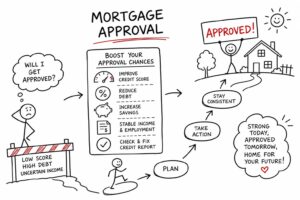
Getting pre-approved in Florida is crucial for a smooth buying process. Start by gathering your financial documents—pay stubs, tax returns, and bank statements. Then, consult with a lender who understands your needs. They guide you through checking your credit and assessing your borrowing capacity.
Many think pre-approval is a hassle, but it gives you a clear picture of your budget and strengthens your offer when you find the right home. Being prepared means you’re ready to act fast in a competitive market.