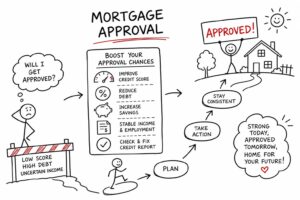

Most lenders say no before they see the full picture of your business finances. Being self-employed in Florida does not mean you don’t qualify for a mortgage. With the right mortgage strategy, you can show your true income, improve your debt-to-income ratio, and find loan programs designed for your cash flow. Keep reading to learn how to turn a no into a clear plan that fits your real life.
Understanding Self-Employed Mortgage Challenges
Securing a mortgage as a self-employed individual in Florida can feel like an uphill battle. Let’s explore the common hurdles you might face and how to overcome them.
Common Roadblocks to Approval
When you’re self-employed, lenders often hesitate because of income instability. They might think your income is unpredictable, even if that’s not the case. Most traditional lenders require two years of steady income to feel confident. This can shut you out before they fully see your potential.
Another challenge is proving your income. Unlike salaried employees, your income fluctuates, which can make lenders nervous. With the right documentation, you can paint a clear picture of your financial health. This is key to changing their perception.
Misunderstanding True Income Potential
Many self-employed individuals don’t realize their true earning power. You might be writing off business expenses to lower taxes, which inadvertently reduces your reported income. This can affect your odds of mortgage approval. Instead, showcase your real income by adjusting for these deductions.
Your real income is not just about the money coming in. Consider how you manage your finances and demonstrate stability. You can balance showing income with managing tax responsibilities by carefully documenting everything.
The Role of Debt-to-Income Ratio
Your debt-to-income ratio plays a crucial role in mortgage approval. This ratio compares your monthly debt payments to your income. Lenders use it to gauge your ability to repay the loan. A lower ratio is preferred, indicating you’re a safer bet.
To improve this ratio, focus on paying down existing debts. This can open up options for you when seeking a mortgage. Understanding and managing this ratio can turn a “no” into a “yes.”
Crafting a Tailored Mortgage Strategy

A personalized mortgage strategy can transform your chances of approval. By accurately documenting income and optimizing financial ratios, you can find the right loan program.
Documenting True Income Accurately
Accurate income documentation is vital. Start by organizing all financial records, including bank statements and tax returns. Use these to show consistent income over time. Don’t forget to adjust for any business expenses that affect your actual earnings.
Revealing your true income can also involve using bank statement loans. These loans focus on your bank deposits rather than tax filings. They can highlight your ability to earn and manage finances effectively.
Optimizing Debt-to-Income Ratios
To improve your debt-to-income ratio, start by listing all monthly debts. Then, work on reducing them where possible. This might mean paying off smaller debts or consolidating loans.
Remember, this ratio isn’t just about reducing debt but also about increasing income visibility. Consider strategies like income averaging to boost your reported earnings. This approach averages your income over time, smoothing out fluctuations.
Aligning the Right Loan Program
Finding the right loan program is crucial. Different programs cater to varying needs. If traditional loans don’t suit you, explore non-QM mortgages. They consider alternative documentation and can be more flexible.
Another option is a profit-and-loss mortgage. This type uses your business’s profit and loss statements to assess income. Such programs might better align with your financial situation and goals.
Implementing Your Mortgage Plan

Once you have a strategy, it’s time to implement it. This involves choosing the right programs and fully understanding your options.
Leveraging Bank Statement Programs
Bank statement mortgages evaluate your income through deposits rather than tax returns. These loans can be ideal if you keep your business finances separate and organized. They offer a practical way to show lenders your real income capacity.
With this program, you can sidestep some of the strict requirements of traditional loans. It opens doors by focusing on what you earn, not just what’s reported to the IRS.
Exploring Profit and Loss Mortgages
A profit-and-loss mortgage uses your business’s financial performance as a key factor. If you have detailed records showing healthy profits, this route can work in your favor. It emphasizes your business acumen and ability to generate income.
This type of mortgage shows lenders the true story behind your financials. It highlights your business’s strengths and potential, providing a clearer picture of your capabilities.
Navigating 1099 and Non-QM Options
For those receiving income through 1099 forms, certain mortgage options are tailored to fit. These programs understand the nuances of self-employment and offer more flexibility. Non-QM loans fall under this category and can cater to unique financial situations.
Exploring these options means you don’t have to fit into the traditional borrower box. They provide a way to showcase your financial health and secure the mortgage you deserve.
Frequently Asked Questions
What is a self-employed mortgage?
A self-employed mortgage is designed for individuals without traditional income documentation. It uses alternative documents, such as bank statements and profit and loss reports, to assess income.
How can I improve my debt-to-income ratio?
To improve your debt-to-income ratio, focus on paying off existing debts and accurately showcasing your income. This balance helps lenders see you as a reliable borrower.
What is a non-QM mortgage?
A non-QM mortgage is a non-qualified mortgage that doesn’t meet traditional lending guidelines. It offers flexibility in income documentation, making it suitable for self-employed individuals.
Can I get a mortgage with just bank statements?
Yes, bank statement mortgages use your bank deposits to determine income. This option is ideal for self-employed individuals who have fluctuating income but steady deposits.
How do profit and loss mortgages work?
Profit and loss mortgages use your business’s profit and loss statements to evaluate your income. They consider your business’s financial health, giving lenders a broader picture of your earning potential.