
Stop scrolling: the biggest first-time buyer mistake is shopping before your numbers are clear. Without a solid mortgage pre-approval and a clear home-buying budget, you risk chasing homes outside your reach or losing offers to buyers who came prepared. In this post, I’ll show you how to know exactly how much house you can afford, understand cash-to-close, and secure a seller’s pre-approval trust. Ready to shop with confidence in Florida’s real estate market?
Know Your Numbers First

Understanding your financial standing is the first step to homeownership. Before diving into home shopping, it’s essential to define your budget and get pre-approved. This helps avoid the pitfall of falling for homes that don’t fit your financial plan. Here’s how to get started:
Importance of Pre-Approval
Pre-approval is more than just a piece of paper; it’s your golden ticket in the home-buying process. It shows sellers you are serious and financially ready. This step gives you the confidence to make offers without hesitation. Imagine knowing exactly what you can afford and being ready to act quickly. Most sellers prefer a buyer with pre-approval because it indicates fewer hurdles in closing the deal.
Calculating Your Home Buying Budget
Your budget is the backbone of your home-buying journey. Start by listing your monthly income and expenses. Use tools like a mortgage payment calculator to assess what fits within your means. Remember to factor in the debt-to-income ratio: it helps lenders assess your ability to repay. Also, consider how much house you can afford by accounting for all potential costs, not just the home’s sticker price.
Understanding Cash to Close
Cash to close includes various costs beyond the down payment. Be prepared for closing costs, which typically cover appraisals and title insurance and range from 2% to 5% of the home price. Also, ensure you have funds set aside for prepaid expenses like homeowners’ insurance and property taxes. Understanding these costs upfront prevents last-minute surprises and helps in planning your financial journey.
Pre-Approval vs. Pre-Qualification

Though they sound similar, pre-approval and pre-qualification serve different purposes. Knowing the difference can be a game-changer in your home-buying process.
Why Pre-Approval Matters
Pre-approval involves a thorough check of your financial history and provides a conditional commitment from a lender. It holds more weight than pre-qualification because it involves a deeper dive into your finances. This makes your offers more attractive to sellers. In contrast, pre-qualification is a quick overview, often based on self-reported information, and doesn’t offer the same credibility.
Steps to Secure a Strong Pre-Approval
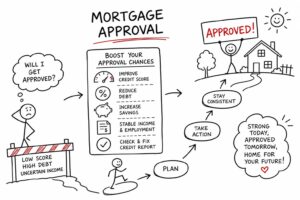
Securing a solid pre-approval involves a few key steps. First, gather your financial documents, like pay stubs and tax returns. Next, meet with a lender who will review your credit score and financial history. They will determine how much you can borrow. Finally, get a pre-approval letter, which gives you the confidence to shop. This process not only strengthens your position as a buyer but also provides a clear view of your financial boundaries.
What Lenders Look For
Lenders consider various factors when assessing your creditworthiness. They consider your credit score, employment history, and debt-to-income ratio when evaluating a mortgage application. A strong credit score can unlock better loan terms and interest rates. Regularly reviewing your credit report and addressing any issues can make a significant difference. Keeping a stable job and reducing debts also play a crucial role in securing favorable lending terms.
Navigating Florida Real Estate

Florida’s real estate market is unique, with its own set of rules and opportunities. Whether you’re a first-time buyer or an experienced investor, understanding the state-specific nuances can lead to smarter decisions.
First-Time Home Buyer Mistakes
First-time buyers often make the mistake of not getting pre-approved before house hunting. Others underestimate the importance of budgeting for closing costs in Florida. A common oversight is not considering future expenses, like maintenance and repairs. Avoid these pitfalls by planning and seeking guidance from experienced professionals.
Florida-Specific Loans and Assistance
Florida offers various assistance programs to aid first-time buyers. Programs like down payment assistance in Florida can help reduce initial costs. Explore options like FHA loans, which require lower down payments and are accessible for those with moderate credit scores. Familiarizing yourself with these programs can make homeownership more attainable.
Building Wealth Through Real Estate Investing
Real estate in Florida offers lucrative opportunities for building wealth. Consider strategies like buying properties in emerging neighborhoods or using rental income to offset mortgage payments. Investing in real estate can boost financial health over time. It’s a way to create a steady income stream while increasing your property’s value through strategic improvements.
🌴🏡✨
Understanding your numbers and securing a strong pre-approval are foundational steps in a successful home-buying journey. By doing so, you avoid common pitfalls and position yourself as a serious buyer in Florida’s competitive market. Taking these steps now not only prepares you for immediate success but also sets the stage for long-term financial growth through real estate.