
Most first-generation homebuyers in Florida start with questions that slow them down: How much do I really need for a down payment? What credit score for mortgage approval matters most? Sorting through options like FHA loans or conventional loans can feel overwhelming. You don’t have to figure it out alone. The Gen-First Mortgage Method offers a clear, step-by-step plan that fits your life and helps you move forward with confidence.
Essential Mortgage Prep for First-Gen Buyers
Understanding Your Credit Score
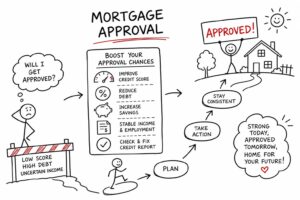
Your credit score is crucial to securing a mortgage. It tells lenders how reliable you are with paying back money. A higher score can mean better loan terms. You might wonder, “What score do I need?” Generally, a score above 620 is a solid start. But each lender might have different requirements. Check your score early. If it’s lower than you’d like, work on improving it. Pay off small debts and avoid new ones. Keeping an eye on your score can open up more opportunities.
Planning Your Down Payment
A down payment is a chunk of money you pay upfront when buying a home. Many first-time buyers think they need 20% of the home’s price. That’s not always true. Programs like FHA loans might only require 3.5%. Saving for a down payment can feel daunting. Start by setting a budget. Track your spending to find areas where you can save. Even small changes can add up over time. Remember, every dollar saved gets you closer to your new home.
Navigating Mortgage Pre-Approval
Pre-approval shows sellers you’re serious about buying. It’s a letter from a lender stating how much you can borrow. Getting pre-approved involves sharing your financial details, like income and debts, with a lender. This process gives you a clear picture of what you can afford. Plus, it strengthens your offer when you find the right home. Start the pre-approval process early. It can take time, but it’s worth the effort.
Exploring Loan Options in Florida

FHA vs Conventional Loans
When buying a home, understanding loan types helps you make informed decisions. FHA loans are popular among first-time buyers because of their low-down-payment options. Conventional loans, on the other hand, might require a higher down payment but can offer more flexibility. Consider factors like your credit score and financial situation. FHA loans might be easier to qualify for if your credit isn’t perfect. Discuss these options with a mortgage expert to see what fits best.
Self-Employed Mortgage Tips
Are you self-employed and worried about getting a mortgage? It can be more challenging, but not impossible. Lenders typically look for consistent income over two years. Keep detailed records of your earnings and expenses. A solid income history can reassure lenders. Consider setting aside more for a down payment to strengthen your application. Remember, preparation is key. With the right documents, you can achieve your goal.
First-Time Buyer Programs
First-time buyer programs can make homeownership more accessible. These programs offer benefits like down payment assistance or reduced interest rates. In Florida, several options are available to support new buyers. Research programs in your area and see which ones you qualify for. They can provide significant savings and make owning a home a reality sooner than you think. Reach out to a local mortgage expert for guidance on navigating these programs.
Financial Strategies for Long-Term Success

Managing Debt to Income Ratio
Your debt-to-income ratio (DTI) is a vital aspect of the mortgage process. It compares your monthly debt payments to your income. Lenders use this to assess your ability to manage monthly payments. Aim for a DTI below 43% to improve your chances of approval. To lower your DTI, focus on paying down existing debts and avoid taking on new ones before applying for a mortgage. Managing your DTI can set the stage for a successful home purchase.
Estimating Closing Costs in Florida
Closing costs are the fees you pay when finalizing your mortgage. In Florida, they typically range from 2% to 5% of the home’s price. These costs include things like appraisal fees, title insurance, and more. Plan for these expenses early to avoid surprises. Ask your lender for an estimate of what you might owe. This helps you budget effectively and ensures a smoother closing process. Knowing what to expect can make all the difference.
Building Generational Wealth Through Homeownership
Homeownership is a powerful tool for building wealth. Each mortgage payment builds equity in your home, increasing your financial stability. Over time, your property can appreciate, adding to your wealth. By choosing the right mortgage and managing it wisely, you set the foundation for future generations. Consider refinancing when rates drop or using home equity for investments. The choices you make today can benefit your family for years to come.
Frequently Asked Questions
What credit score do I need for a mortgage?
A score above 620 is generally a good starting point, though requirements can vary by lender.
How much should I save for a down payment?
While 20% is common, some programs like FHA loans require as little as 3.5%.
What is the debt-to-income ratio for mortgage approval?
Aim for a ratio below 43% to improve your chances of getting approved.
How do I estimate closing costs in Florida?
Closing costs typically range from 2% to 5% of the home’s price. Ask your lender for an itemized estimate.
What first-time buyer programs are available in Florida?
There are various programs offering benefits like down payment assistance or reduced interest rates. Check local resources for details.