
Choosing the right loan program can feel like a maze, especially if you’re a first-time homebuyer 2026 facing Florida’s unique market. You might have heard about FHA vs conventional loans or down payment assistance Florida offers, but knowing which fits your life and goals takes more than just comparing rates. This guide breaks down what matters most: total cost, risk, and long-term fit using the Gen-First Mortgage Method, so you can move forward with confidence and clarity.
Key Considerations for First-Time Homebuyers
Before diving into loan options, it’s crucial to grasp the basics of mortgages. Knowing the key elements of a mortgage will set the foundation for making informed choices.
Understanding Mortgage Basics
A mortgage is essentially a loan specifically for buying a home. It involves regular payments over a set period to repay the amount borrowed, plus interest. Key terms include the principal (the initial loan amount), interest rate (the percentage charged on the loan), and term (the repayment period, typically 15 or 30 years). Understanding these terms helps you see how they impact your monthly payment and overall cost.
You may also encounter terms like private mortgage insurance (PMI), which is often required if your down payment is less than 20%. This insurance protects the lender but is a cost to you. Remember, the higher your credit score, the better loan terms you can secure. Your credit score reflects your reliability in repaying borrowed money. Paying bills on time and reducing debt can improve your score and your mortgage options.
Analyzing Total Loan Costs
When comparing loans, focus on the total cost over time, not just the monthly payment. Two loans might have the same monthly cost but vastly different total costs due to interest rates and loan terms.
Consider the interest rate and whether it’s fixed or variable. Fixed rates stay the same, providing predictable payments, while variable rates can change, affecting your payments. Also, factor in closing costs, which are fees paid at the loan’s inception. These can include appraisal fees, title insurance, and attorney fees. When examining total costs, don’t overlook these upfront expenses. Use the Gen-First Mortgage Method to break down these costs step by step and ensure you’re fully aware of your financial commitment.
Long-Term Financial Fit
Choosing a mortgage isn’t just about today; it’s about your future. Consider how the loan fits into your long-term financial goals. Are you planning to stay in the home long-term, or is this a stepping stone?
If you plan to move in a few years, a shorter loan term or an adjustable-rate mortgage (ARM) with a lower initial rate might be suitable. If this is your forever home, a fixed-rate mortgage could offer peace of mind with stable payments. Think about how different scenarios, like job changes or family growth, might affect your ability to pay. The Gen-First Mortgage Method helps align your mortgage choice with your financial goals, ensuring you’re set for the long haul.
Comparing Loan Programs

Now that you’ve got the basics, it’s time to compare different loan programs. Understanding the nuances among options can help you find the best fit.
FHA vs Conventional Loans
FHA loans are popular among first-time homebuyers due to their lower credit score requirements and smaller down payments. They require mortgage insurance, but can be a great option if you lack savings. Conventional loans, on the other hand, typically require higher credit scores and larger down payments but offer more flexibility.
Conventional loans might be better if you have a steady financial situation and can afford a larger down payment. They can save on long-term costs because they typically offer better interest rates and don’t require mortgage insurance once you reach 20% equity. Weigh the pros and cons carefully. Know that the right choice is personal and should reflect your financial health and future plans.
Down Payment Assistance in Florida
Florida offers various programs to help with down payments, making homeownership more accessible. These programs often provide grants or low-interest loans to cover down payments and closing costs.
Eligibility varies, usually based on income, location, and whether you’re a first-time buyer. Investigate options like the Florida Housing Finance Corporation to see what’s available. These programs can significantly reduce upfront costs, easing your path into homeownership. Don’t overlook these opportunities; they can make a substantial difference in your financial journey.
Interest Rate Buydown and Points
Interest rate buydowns and points can lower your mortgage rate, saving money in the long run. Buying points means paying extra upfront to reduce your interest rate, which can be beneficial if you plan to stay in the home long-term.
Calculate the break-even point to see if the initial cost justifies the long-term savings. This option might not suit everyone, especially if you plan to move soon. Discuss with your lender whether buying points aligns with your financial goals and circumstances.
The Gen- First Mortgage Method can guide you through this decision, ensuring it fits within your overall strategy.
Preparing for the Homebuying Process

Preparation is key in homebuying. Knowing what to expect can help you avoid pitfalls and ensure a smoother process.
Mortgage Pre-Approval and Credit Score
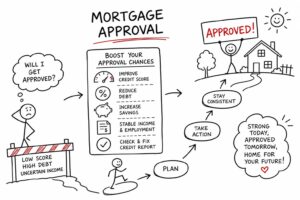
Getting pre-approved for a mortgage shows sellers you’re serious and helps you understand your price range. Pre-approval involves a lender reviewing your financial situation, including income, credit score, and debts.
A strong credit score can secure better loan terms, so focus on improving it before applying. Pay off debt, make timely payments, and avoid new credit inquiries. Pre-approval not only bolsters your buying power but also highlights areas to improve.
With the Gen-First Mortgage Method, you gain clarity and confidence as you start your homebuying journey.
Managing Debt-to-Income Ratio
Your debt-to-income ratio (DTI) is crucial in mortgage approval. It’s the percentage of your income that goes toward debt payments. Lenders prefer a DTI of 43% or less.
To improve your DTI, pay down existing debts and avoid taking on new ones before buying a home. Lowering your DTI can improve your chances of approval and help you secure better terms. The Gen-First Mortgage Method emphasizes understanding and managing your DTI to achieve smoother approval and better financial health.
Navigating Closing Costs in Florida
Closing costs in Florida include various fees necessary to finalize your home purchase. They typically range from 2% to 5% of the home’s price.
These costs cover things like inspections, appraisals, and title insurance. Understanding these expenses helps avoid surprises at closing. Gen-First Mortgage Method provides transparency, breaking down each cost so you know exactly what to expect. Being prepared ensures you won’t feel overwhelmed when it’s time to sign on the dotted line.
Frequently Asked Questions
What is the Gen First Mortgage Method?
The Gen First Mortgage Method is a structured approach to homebuying that emphasizes clarity, personalized guidance, and long-term financial strategy to help buyers make informed decisions.
How can I improve my credit score before applying for a mortgage?
Focus on paying bills on time, reducing existing debt, and avoiding new credit inquiries. These actions can improve your credit score, leading to better mortgage terms.
What are the benefits of FHA loans for first-time homebuyers?
FHA loans offer lower down payment requirements and credit score thresholds, making them accessible to first-time homebuyers with limited savings or credit history.