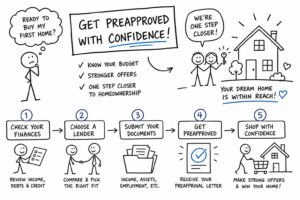

Mortgage interest rates today can feel like a moving target, especially when you’re buying your first home or stepping into the market for the first time. You deserve clear answers—not just the numbers but what really drives those rates and how to make them work in your favor. This guide breaks down today mortgage rates Florida offers, explains key strategies like rate lock and buydown, and shows you how to build a plan that fits your life using the Gen First Mortgage Method.
For those looking to deepen their understanding, our Mortgage Calculator Basics for First Time Buyers in Florida can simplify the process. Additionally, turning your mortgage into a sound financial strategy is possible with our Amortization Calculator Guide, designed to help you map out your payment plan effectively. Understanding these tools can empower you to make informed decisions on your journey to homeownership.
Understanding Today’s Mortgage Rates
Grasping how mortgage rates work can help you make smarter choices. Let’s explore what affects these rates and focus on the specifics for Florida.
Factors Influencing Rates
Mortgage interest rates today are shaped by several key elements. First, the economy’s overall health plays a big role. When the economy is strong, rates tend to rise. This is because lenders anticipate higher inflation, leading them to increase rates. Conversely, during economic slowdowns, rates often go down to encourage borrowing.
Another major factor is the Federal Reserve’s monetary policy. Though the Fed doesn’t set mortgage rates directly, its actions influence them. When the Fed adjusts interest rates, it impacts the cost of borrowing across the board. For instance, a Fed rate hike can lead to higher mortgage rates.
Your personal financial profile is also crucial. Lenders look at your credit score, debt-to-income ratio, and down payment size. A higher credit score means you’re considered less risky, which can result in a lower rate.
How Rates Are Priced
Understanding how rates are priced involves knowing about the bond market. Mortgage lenders base rates on mortgage-backed securities, which are similar to bonds. When these securities are in high demand, their prices go up, and yields, or interest rates, go down. Conversely, when demand is low, prices fall, causing rates to rise.
Lenders also add a margin to cover their costs and risk. This margin includes factors like operating costs and the risk of borrower default. The final rate you receive is a combination of the base rate derived from the bond market plus this margin.
Today’s Rates in Florida
Today mortgage rates Florida offers are influenced by both national and local factors. Currently, rates in Florida reflect broader economic trends, but local market conditions also play a role. Factors such as state-specific economic health and housing demand can cause slight variations in rates compared to other states.
For first-time homebuyers in Florida, understanding these dynamics is crucial. By staying informed, you can better navigate the market and secure a favorable rate.
Smart Strategies for Lower Rates

Securing a lower mortgage rate can save you substantial amounts over the life of your loan. Here, we’ll explore key strategies to achieve this.
Rate Lock Strategy Explained
Locking in your rate is a strategic move. A rate lock guarantees a specific rate for a set period, usually between 30 to 60 days. This can protect you from rate increases while you finalize your home purchase.
To use a rate lock effectively, monitor the market closely. If rates are expected to rise, locking in early can be beneficial. On the other hand, if rates are falling, you might wait to lock. Remember, timing your lock requires careful consideration of market trends and your personal timeline.
Points vs Credits: What to Know
When it comes to securing the best mortgage rate, understanding points and credits is essential. Paying points means you’re pre-paying interest to receive a lower rate. One point equals 1% of your loan amount, and it reduces your interest rate. This can be a smart move if you plan to stay in your home for a long time.
Credits, however, work differently. Lenders offer credits to offset closing costs, but they come with a higher interest rate. This option might be suitable if you’re short on cash for closing but can handle slightly higher monthly payments.
Buydown Strategy Benefits
A buydown strategy allows you to lower your interest rate temporarily at the start of your loan. This can make your initial payments more affordable. For instance, a 2-1 buydown reduces your rate by 2% in the first year and 1% in the second year.
The main benefit is that it eases your financial burden during the early years of homeownership. However, it’s important to plan ahead for when the rate adjusts back to its original level. This strategy can be particularly useful for first-time homebuyers looking to settle into their new financial situation.
Steps to Secure the Best Rate

Getting the best mortgage rate involves a combination of preparation, understanding your options, and timing. Here are key steps to take.
Improving Your Credit Score
Your credit score significantly affects the rate you receive. To improve it, start by checking your credit report for errors and disputing any inaccuracies. Paying down high balances and making all payments on time can also boost your score.
Another tip is to avoid opening new credit lines before applying for a mortgage. Each new inquiry can temporarily lower your score, impacting your rate. Aim for a score of at least 720 to qualify for the best rates.
Choosing the Right Loan Type
Different loan types offer different benefits. For example, FHA loans are popular with first-time homebuyers because of their lower credit score and down payment requirements. Conventional loans might be suitable if you have a higher credit score and can afford a larger down payment.
Consider your long-term plans and financial situation when choosing a loan type. Research the various options and consult with a lender to find the best fit for your needs.
Timing Your Rate Lock
Timing your rate lock requires you to watch market trends closely. If rates are projected to rise, locking in sooner might save you money. Conversely, if rates are expected to fall, you might wait to lock in.
Keep in mind that rate locks have expiration dates. Make sure your lock period covers your expected closing date to avoid complications. This proactive approach can save you from unexpected rate hikes.
In conclusion, understanding and managing mortgage interest rates today involves knowledge of economic factors, strategic planning, and timely actions. By improving your credit score, choosing the right loan type, and carefully timing your rate lock, you can secure a favorable rate that supports your financial goals.