
The Gen-First Guide to Mortgage Options for First-Generation Buyers and Entrepreneurs
Most first-time homebuyer guides in Florida stop at the basics. This one shows you all your options side by side, from conventional and FHA loans to bank statement and DSCR loans designed for entrepreneurs. You’ll get clear steps to move forward using the Gen First Mortgage Method, so you know exactly how to plan your path from pre-approval to closing and beyond.
Mortgage Options for First-Generation Buyers

Navigating the mortgage landscape can feel overwhelming, but there are numerous paths to explore. Let’s break down these options so you can make informed decisions.
Conventional Loan Florida Basics
When considering a mortgage, a conventional loan is often the go-to choice. Why? It offers flexibility with terms and down payments. Typically, you’ll need a credit score of 620 or higher. With a down payment as low as 3%, it’s accessible for many. Keep in mind: private mortgage insurance (PMI) may be required if your down payment is less than 20%. This type of loan is not backed by the government, so terms can vary by lender.
FHA Loan Florida Explained
For those who might need a little more support, an FHA loan can be a great option. It’s government-backed, which often allows for more lenient credit requirements. Even with a credit score as low as 580, you can qualify with just a 3.5% down payment. This makes homeownership possible even if your credit history isn’t perfect. Remember: mortgage insurance premiums are required, adding to your monthly payment. This is a small price to pay for the opportunity to own your home sooner.
Non-QM Loan Florida Opportunities
Non-QM loans break the mold of traditional lending. They’re perfect for those with unique income situations, like freelancers or entrepreneurs. Unlike standard loans, these don’t fit the typical lending criteria. They consider alternative documentation, such as bank statements. This can open doors for those with non-traditional income sources. If your financial picture doesn’t fit the usual mold, this might be your best path to homeownership.
Mortgage Tips for Entrepreneurs

Entrepreneurs face unique challenges when securing a mortgage. Here, we’ll explore options tailored to your needs.
Bank Statement Loan Florida Insights
If you’re an entrepreneur, a bank statement loan could be your key to success. Instead of traditional income verification, these loans use your bank deposits as proof of income. Typically, lenders will look at 12 to 24 months of bank statements to determine your eligibility. This is ideal if your income fluctuates or you have significant write-offs. Remember: these loans often come with higher interest rates, reflecting the increased risk to lenders. It’s a trade-off that could be worthwhile for many business owners.
DSCR Loan Florida Explained
Debt Service Coverage Ratio (DSCR) loans are designed for property investors. They focus on the rental income the property generates rather than your personal income. This means your ability to repay the loan is evaluated based on the property’s cash flow. If you’re looking to invest in rental properties, this is a strategic option. The property should ideally cover the mortgage, taxes, and other associated costs. It’s a smart way to leverage investment properties for future wealth.
Investment Property Loan Florida Options
Investing in real estate is a proven way to build wealth. Investment property loans can help you get there. These loans often require a higher down payment, typically around 20%. Lenders see these loans as riskier, so you’ll need a solid credit history and enough cash reserves. The potential payoff? Steady rental income and property appreciation over time. As an investor, these loans give you the tools to grow your real estate portfolio strategically.
Preparing for Your Mortgage Journey

Preparation is key to a smooth mortgage experience. Let’s dive into the steps that set you up for success.
How to Get Pre-Approved
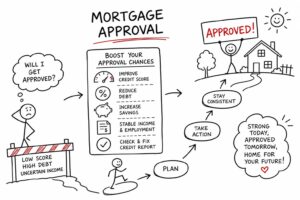
Getting pre-approved is your first big step. It shows sellers you’re serious and financially ready to buy. Start by gathering your financial documents. This includes recent pay stubs, tax returns, and bank statements. Your lender will use this information to determine how much you can borrow. Pre-approval gives you clarity on your budget and strengthens your bargaining power. It’s not just a formality—it’s a crucial tool in your homebuying toolbox.
Mortgage Pre-Approval Checklist
Preparation is everything. Here’s your checklist:
-
Recent pay stubs and W-2s.
-
Federal tax returns for the last two years.
-
Bank statements for all accounts.
-
Details of any outstanding debts.
-
Proof of additional income, if any.
Having these documents ready speeds up the process and ensures you have all your bases covered.
Closing Costs Florida Overview
Closing is the final step, but it comes with additional costs. On average, closing costs range from 2% to 5% of the home’s purchase price. These fees cover items such as appraisal, title insurance, and attorney fees. It’s important to budget for these costs in advance. Knowing what to expect ensures there are no last-minute surprises. With planning, you can confidently close the deal and step into your new home.
By understanding these mortgage options and preparing thoroughly, you’re setting yourself up for success on your homeownership journey. Remember, having the right guide and strategy makes all the difference.